Crypto Custody Explained for Business Owners: Practical UAE Guide
A practical guide to crypto custody for UAE business owners, covering private keys, wallet controls, custody models, security risks, compliance, and preparation steps.
Key takeaways
- Crypto custody is a business control issue, not only a technical wallet decision.
- Private key control usually determines who can move digital assets.
- UAE businesses should consider VARA, DFSA, SCA, or other relevant frameworks depending on jurisdiction and activity.
- Self-custody gives control but requires strong internal security and governance.
- Third-party custody may improve controls, but provider due diligence remains essential.
- Businesses should document wallets, approvals, recovery procedures, accounting records, and incident response steps.
Crypto Custody Explained for Business Owners
Digital assets are no longer discussed only by technology teams. More business owners now ask practical questions: Can our company receive crypto payments? Should we hold digital assets on the balance sheet? What happens if an employee loses wallet access? Who approves a crypto transaction? How do we prove ownership for accounting or audit purposes?
These questions lead to one central issue: custody.
Crypto custody means storing, managing, and protecting digital assets and the private keys that control them. In ordinary business language, it is the system that determines who can access company crypto assets, who can approve transfers, how assets are protected, and what evidence exists if something goes wrong.
For UAE businesses, custody also needs to be viewed through a regulatory lens. Dubai’s Virtual Assets Regulatory Authority regulates virtual asset activities across Dubai mainland and free zones, except within DIFC. VARA’s framework includes a dedicated Custody Services Rulebook. The DIFC has its own DFSA crypto token framework, with updated rules effective from 12 January 2026, including stronger governance, custody, and disclosure expectations.
What Is Crypto Custody?
Crypto custody is the secure control of digital assets such as cryptocurrencies, tokens, and certain blockchain-based assets.
Unlike a bank account, crypto ownership is not usually based on a branch relationship, a cheque book, or a relationship manager. It is based on cryptographic control. A private key authorises movement of the asset. A public address allows funds to be received.
In simple terms:
- Public keys or wallet addresses can usually be shared to receive funds.
- Private keys must remain confidential because they provide control.
- Whoever controls the private key can generally move the asset.
- Losing the private key may mean losing access permanently.
That last point is what business owners often underestimate. With traditional banking, a forgotten password can usually be reset. With crypto, a weak custody setup can create losses that are difficult or impossible to reverse.
Why Crypto Custody Matters for Business Owners
For a business, crypto custody is not just about “where the coins are stored.” It affects internal controls, accounting records, audit readiness, fraud prevention, tax documentation, and regulatory exposure.
A small trading company accepting crypto from overseas customers may only need limited operational custody. A fintech startup building a blockchain product may need stronger governance, segregation, and regulatory review. An investment company holding digital assets as treasury assets will need board-level controls, risk limits, and clear reporting.
In practice, custody becomes important for four reasons.
First, it protects company assets. A compromised wallet can result in fast and irreversible losses.
Second, it reduces dependency on one individual. If one founder, employee, or outsourced developer holds all wallet credentials, the business has a serious single point of failure.
Third, it supports proper accounting. Businesses need transaction histories, wallet records, valuation support, and documentation for finance teams.
Fourth, it helps with compliance. In the UAE, virtual asset activity may fall within federal, local emirate, DIFC, or ADGM regulatory frameworks depending on the activity, location, client base, and service model. The UAE digital asset landscape is multi-layered, with SCA, VARA, DFSA, and ADGM roles depending on the business structure and jurisdiction.
Good crypto custody is not about trusting one careful person; it is about designing a system that remains safe even when people make mistakes. — The Consulting Journal
Understanding Private Keys and Business Control
For business owners, the private key is the most important concept to understand.
A private key is not the same as a password. A password may protect access to an app. A private key controls the asset itself. Some custody systems hide this complexity behind user dashboards, but the underlying principle remains the same.
This is why companies should avoid informal arrangements such as:
- keeping seed phrases in a founder’s notebook;
- storing wallet screenshots in email;
- allowing one employee to approve transfers alone;
- using personal wallets for company assets;
- mixing business and personal crypto activity.
A proper custody setup should make ownership clear. The company should know which wallets belong to the business, who has access, how transactions are approved, where records are stored, and what happens if a key person leaves.
How Crypto Custody Works in Practice
A custody arrangement usually combines technology, policies, people, and documentation.
At a basic level, custody involves creating wallets, securing private keys, setting access permissions, approving transactions, monitoring balances, and maintaining records. More mature systems add segregation of duties, audit trails, recovery procedures, cyber controls, insurance review, and compliance checks.
A typical business process may look like this:
- The business defines why it needs crypto custody.
- Wallets are created under a documented company process.
- Access is assigned to authorised users only.
- Transaction limits and approval rules are set.
- Records are captured for accounting and audit.
- Wallet access is reviewed periodically.
- Incident response and recovery steps are documented.
This is where many businesses discover that custody is not a one-time setup. It is an operating process.
Hot Wallets, Cold Wallets, and Wallet Infrastructure
Most custody discussions include two common wallet types: hot wallets and cold wallets.
A hot wallet is connected to the internet. It is easier to use for frequent transactions, customer receipts, trading activity, or operational liquidity. The disadvantage is higher exposure to cyber threats.
A cold wallet is kept offline or in a more restricted environment. It is usually better for long-term holdings, treasury assets, or reserves that do not need to move regularly. The trade-off is slower access and more formal procedures.
Many businesses use both. For example, a UAE e-commerce business accepting crypto payments may use a hot wallet for day-to-day receipts and move excess balances into cold storage after reconciliation. A digital asset investment business may keep most assets in cold custody and maintain a smaller operational wallet for approved transactions.
Main Types of Crypto Custody Solutions
Business owners usually choose between three custody models.
Self-Custody
Self-custody means the company controls its own private keys.
This gives the business direct control and reduces reliance on a third party. However, it also places the full burden of security, backup, approval workflows, and recovery on the business.
Self-custody may suit technically capable companies, blockchain developers, or firms with experienced internal controls. It is usually risky for businesses that do not have strong cyber, finance, and governance processes.
Third-Party Custody
Third-party custody means a specialist provider manages custody infrastructure for the business.
This can offer stronger security features, institutional controls, reporting tools, and sometimes insurance arrangements. The business still needs to conduct due diligence. A custody provider should not be selected only because the dashboard looks simple or the onboarding process is fast.
In Dubai, VARA’s custody rules require, among other things, segregation and control of client virtual assets by custody service providers. VARA states that client virtual assets held by a custody VASP are not depository liabilities or assets of the VASP, and custody VASPs must segregate each client’s virtual assets in separate wallets.
Hybrid Custody
A hybrid model combines internal and external custody.
For example, a company may self-custody a small operational balance while keeping larger reserves with an institutional custodian. This approach can be useful where the business needs flexibility but also wants stronger controls over treasury-level assets.
Hybrid custody is often a practical middle ground, but only if roles are documented clearly.
Example 1:
A Dubai mainland trading company begins receiving crypto payments from international customers. Initially, the founder receives payments into a personal wallet and later transfers equivalent amounts to the company.
This creates accounting and ownership confusion. The finance team cannot easily separate personal and business transactions. The auditor asks for wallet history, board approval, and valuation support. The company then creates business-owned wallets, sets dual approval for transfers, and reconciles crypto receipts monthly with invoices and bank records.
The lesson is simple: custody should be designed before volume increases.
Example 2:
A free zone technology startup raises funds and plans to hold part of its treasury in digital assets. The founders want quick access, but the CFO is concerned about internal control and investor reporting.
The company adopts a hybrid model. Small operational balances remain available for approved business use. Larger treasury holdings are placed under stricter custody controls with multi-user approval, documented valuation procedures, and periodic board reporting.
This gives the company flexibility without allowing treasury assets to sit under informal founder-only control.
Security Risks Businesses Face
Crypto custody risk usually comes from three areas: cyber threats, human error, and weak governance.
Cyber threats include phishing, malware, credential theft, fake wallet applications, SIM-swap attacks, and compromised devices. Businesses are attractive targets because attackers assume they may hold larger balances than individuals.
Human error is just as serious. A finance employee may copy the wrong wallet address. A founder may lose a recovery phrase. An operations manager may approve a transaction without confirming the network. A developer may leave the company while still having access to wallet infrastructure.
Governance risk appears when there are no written rules. Who can approve a transfer? What is the transaction limit? Who checks the receiving address? Who reconciles wallet movements? Who reports incidents?
Without clear answers, the company is relying on habit rather than control.
Compliance and Legal Considerations in the UAE
UAE businesses should be careful when crypto activity moves beyond passive holding or occasional payment acceptance. Depending on the business model, activities such as custody, exchange, brokerage, transfer, advisory, management, or token issuance may require regulatory review.
Dubai businesses outside DIFC should consider VARA’s framework. DIFC firms should consider DFSA requirements. Federal SCA rules may also be relevant depending on the activity and jurisdiction. Legal classification should be reviewed before launching a product, advertising services, onboarding clients, or holding assets for third parties.
The DFSA’s updated framework places responsibility on firms to assess crypto token suitability on a documented basis and monitor suitability on an ongoing basis. That is a useful reminder even for businesses outside DIFC: crypto decisions should be documented, not handled casually.
Common Mistakes Business Owners Make
Many custody problems begin with small shortcuts.
- Using a founder’s personal wallet for company assets.
- Allowing one person to control all private keys.
- Failing to separate operational funds from treasury holdings.
- Not keeping wallet transaction histories for accounting.
- Assuming a crypto exchange account is the same as a custody policy.
- Ignoring employee exit procedures.
- Choosing a provider without checking jurisdiction, controls, insurance, and regulatory status.
- Not documenting board approval for digital asset holdings.
- Treating crypto records separately from normal finance records.
- Failing to test recovery procedures before a real incident.
The most common pattern is not technical failure. It is poor preparation.
Documents and Preparation Checklist
Before selecting or changing a custody setup, a business should prepare a basic file.
- Business rationale for holding or using digital assets.
- List of approved wallets and asset types.
- Wallet ownership records.
- Access matrix showing authorised users.
- Transaction approval policy.
- Segregation between operational and reserve assets.
- Backup and recovery procedure.
- Employee onboarding and exit controls.
- Cybersecurity review.
- Custodian due diligence file, if using a third party.
- Insurance review, where available.
- Accounting treatment and valuation approach.
- Tax and audit support documents.
- Board or management approval records.
- Incident response plan.
This checklist helps convert crypto custody from an informal technology decision into a controlled business process.
How Business Consultants Can Assist
A consultant can help business owners translate crypto custody into practical governance.
This may include reviewing the business model, identifying whether activity may trigger regulatory obligations, mapping custody risks, improving internal controls, preparing documentation for banks or auditors, and coordinating with legal, tax, technology, and compliance advisers where needed.
For SMEs, the most useful work is often basic structuring: separating personal and company wallets, building approval workflows, improving transaction records, and making sure finance teams can reconcile wallet activity.
For startups and digital asset firms, the work is usually more detailed. It may involve regulatory readiness, policy drafting, custody provider due diligence, operational risk controls, and investor-facing documentation.
This article is for informational purposes and does not constitute legal, tax, accounting, or financial advice.
Final Advisory Conclusion
Crypto custody explained for business owners comes down to one practical point: digital assets require disciplined control.
A business may use self-custody, third-party custody, or a hybrid model. None of these options is automatically right. The correct choice depends on the company’s activity, asset value, team capability, jurisdiction, compliance exposure, and operational needs.
For UAE businesses, custody should be considered early, not after assets have already moved through personal wallets, undocumented accounts, or informal exchange logins. Strong custody protects value, improves accounting visibility, supports audit readiness, and reduces avoidable disputes between founders, finance teams, employees, and investors.
Questions and answers
What is crypto custody in simple business terms?
Crypto custody means protecting and managing the digital assets and private keys that allow a company to access or transfer crypto. For a business, it should include access rules, approvals, records, recovery steps, and security controls.
Can a UAE company keep crypto in a founder’s personal wallet?
It is not advisable from a governance and accounting perspective. Personal wallets can create ownership confusion, audit issues, tax documentation gaps, and operational risk if the founder leaves or loses access.
Is third-party crypto custody safer than self-custody?
It can be safer for many businesses, especially where the provider has strong controls, segregation, reporting, and regulatory standing. However, the company still needs due diligence because outsourcing custody does not remove management responsibility.
Do crypto custody activities require a licence in Dubai?
Custody services may fall within regulated virtual asset activity depending on the business model, jurisdiction, and whether the company holds assets for others. Dubai businesses outside DIFC should consider VARA’s framework, while DIFC firms should review DFSA requirements.
What should business owners prepare before choosing a custody solution?
They should prepare a wallet inventory, approval policy, access matrix, accounting process, recovery plan, cybersecurity review, and custodian due diligence file. These documents help the business choose a custody model that fits its risk profile and operational needs.
More in Crypto
View all Crypto →
Italian-Owned Web3 Company in Dubai: 2026 Setup Guide
Italian founders can establish Web3 companies in Dubai, but the right licence, jurisdiction and regulatory pathway depend on the actual business model and whether VARA-regulated virtual-asset activities are involved.
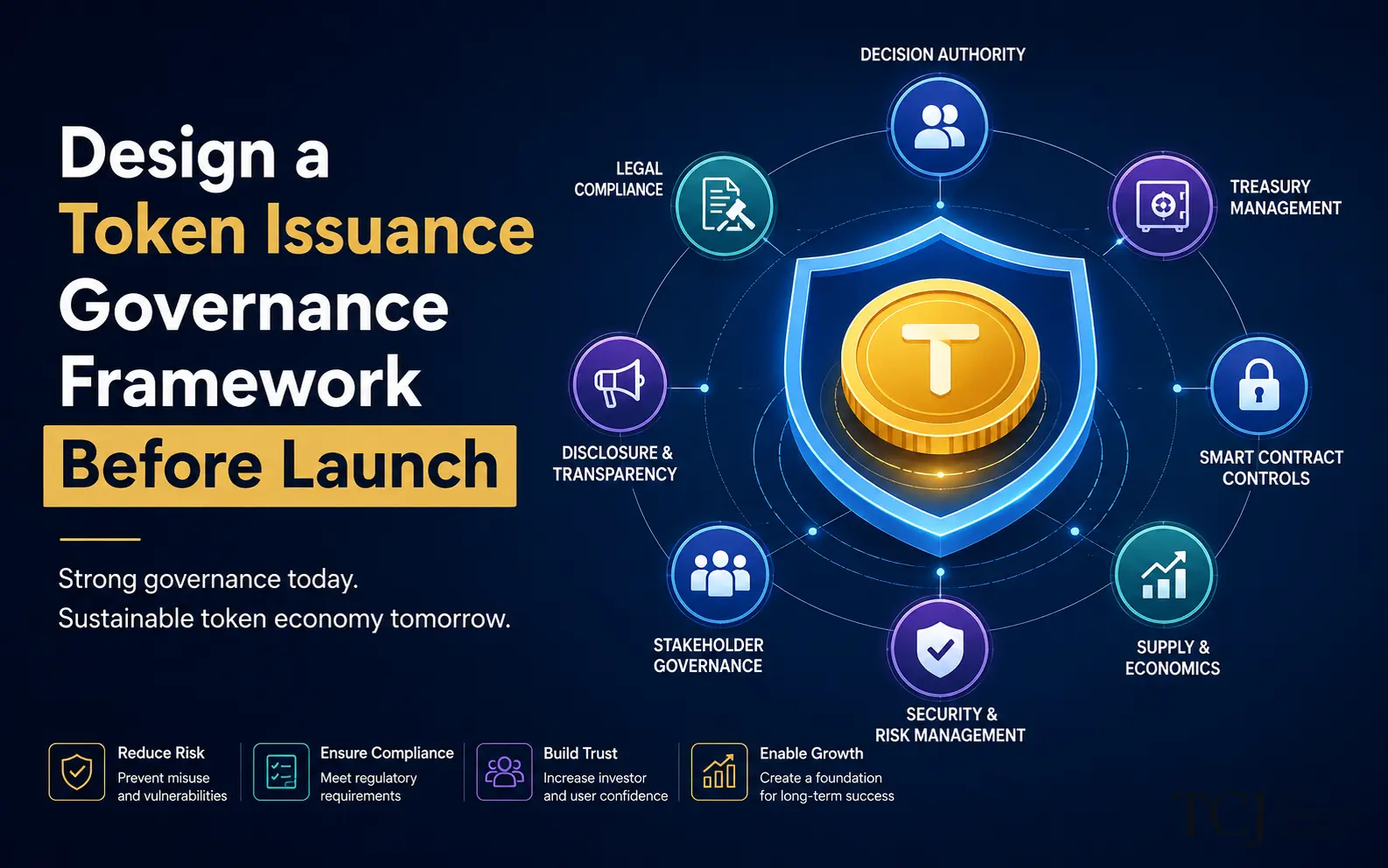
How to Design a Token Issuance Governance Framework in the UAE
A practical framework for UAE founders and Web3 teams to define token authority, supply controls, treasury governance, vesting, smart-contract permissions, compliance and launch readiness before issuance.

The UAE Crypto Travel Rule: Practical Compliance for VASPs
UAE virtual asset firms need more than a Travel Rule messaging tool. This practical guide explains thresholds, customer data, VASP checks, unhosted wallets, monitoring, exceptions and audit readiness.