How to Create a Compliance-First Crypto Brand in the UAE
A practical guide for founders and Web3 teams building crypto brands with stronger AML/KYC controls, transparent messaging, safer token models, and UAE-ready compliance thinking.
Key takeaways
- Compliance-first crypto branding builds trust before marketing, fundraising, or community growth begins.
- UAE crypto brands should assess licensing, AML/CFT, Travel Rule, marketing, and customer-risk requirements early.
- Clear token disclosures and balanced messaging reduce reputational, regulatory, and investor-risk exposure.
- Strong internal policies make banking, partnerships, audits, and market expansion easier to manage.
- Web3 founders should treat compliance as a growth foundation, not a last-minute legal task.
Crypto has moved far beyond experimental communities and speculative token launches. In markets such as Dubai and the wider UAE, founders are now expected to think like regulated financial businesses much earlier than before. That does not mean every Web3 project is automatically a licensed financial institution. It does mean that investors, banks, regulators, payment partners, exchanges, and serious customers will ask sharper questions.
A compliance-first crypto brand is built on the idea that trust is part of the product. The brand does not launch a token first and search for legal explanations later. It does not use aggressive marketing language to compensate for weak controls. It designs the business model, token messaging, onboarding process, customer support, documentation, and risk framework together.
For UAE-based and UAE-facing projects, this matters. Dubai’s Virtual Assets Regulatory Authority, known as VARA, regulates virtual assets in and from the emirate of Dubai, with its jurisdiction excluding the DIFC. VARA also publishes a public register of licensed VASPs and sets out a structured licensing process.
What a compliance-first crypto brand really means
A compliance-first crypto brand places user protection, regulatory readiness, financial-crime risk management, and honest communication at the centre of the business. It is not a brand that simply adds legal disclaimers to a website after launch.
In practice, this means the founders can clearly answer basic questions:
- What does the token or product actually do?
- Which customers are allowed to use it?
- Which jurisdictions are targeted, restricted, or blocked?
- Is the business model exposed to AML, sanctions, securities, custody, exchange, payment, or investment-promotion risk?
- Who reviews public claims before campaigns go live?
- How are customer complaints, suspicious activity, and data incidents handled?
A strong brand position may say: “We help users access digital asset tools with transparent fees, clear risk education, and security-first controls.” A weak one says: “Join now before the next 100x move.”
The difference is not only wording. It reflects how the business thinks.
Compliance does not slow down a serious crypto brand; it filters out avoidable risk before that risk becomes public. — Consulting Journal Editorial Desk
Why compliance builds trust in Web3
Crypto users have seen exchange failures, token collapses, phishing campaigns, misleading influencer promotions, and unclear custody arrangements. That history has changed buyer behaviour. Many users now look for signs of discipline before they look for innovation.
The Financial Action Task Force has continued to highlight illicit-finance risks in virtual assets and VASPs. Its 2025 targeted update noted progress in AML/CFT regulation, but also said more work was needed on licensing, registration, identifying VASP activity, and offshore VASP risk.
For a founder, this has a practical consequence. A compliance-first brand is easier to explain to banks, payment providers, professional investors, strategic partners, and regulators. It also gives the internal team a shared operating standard.
Start with the business model before the brand campaign
One common mistake in crypto is building the public story before the operating model is properly understood. The logo, website, whitepaper, launch campaign, token name, and community channels are prepared quickly. The licensing, risk, and customer-protection questions are left to a later stage.
That sequence is risky.
Before public launch, the founders should map the business model carefully. Is the project offering exchange services, custody, broker-dealer style activity, advisory services, staking, lending, yield products, wallet infrastructure, token issuance, payments, or a software layer with limited user-funds exposure? Each model carries a different risk profile.
In Dubai, VARA’s framework is designed around regulating virtual asset activities and service providers, while also supporting responsible innovation and investor protection. A brand that ignores this early may end up rebuilding its product, website, customer flows, and disclosures under pressure.
Build AML, KYC, sanctions, and Travel Rule thinking early
AML means anti-money laundering. KYC means know your customer. CFT means countering the financing of terrorism. For many Web3 founders, these terms sound operational rather than brand-related. In reality, they shape brand trust.
A platform that cannot explain who it serves, how it screens higher-risk users, how it monitors unusual activity, and how it handles restricted jurisdictions will struggle with serious partners. The UAE’s Virtual Assets Travel Rule improves transparency and traceability in virtual asset transfers by requiring the sharing of accurate originator and beneficiary information, along with associated obligations.
A practical early-stage AML/KYC setup may include customer-risk scoring, sanctions screening, wallet-risk analytics, enhanced due diligence for higher-risk users, escalation procedures, suspicious-activity workflows, and documented record retention. The exact requirements depend on the activity, jurisdiction, customer profile, and licensing position.
Design token disclosures people can actually understand
A token disclosure should not read like a marketing brochure. It should explain the token’s purpose, limitations, risks, allocation, lockups, governance rights, technical dependencies, and market uncertainties in plain language.
For example, if a token’s utility depends on network adoption, say that directly. If the token does not give ownership rights, dividend rights, or guaranteed returns, avoid language that suggests otherwise. If liquidity depends on exchange listings or market activity, explain that users may not always be able to sell at the price or time they expect.
EU MiCA is one example of how global expectations are moving toward transparency, disclosure, authorisation, and supervision for crypto-asset issuers and service providers. ESMA describes MiCA as a framework that establishes uniform EU market rules for crypto-assets not already covered by existing financial services legislation.
Even if a UAE business is not targeting the EU, these global developments influence investor expectations, exchange due diligence, and cross-border partner reviews.
Marketing without regulatory red flags
Crypto marketing must be disciplined. Hype may create short-term attention, but it can also create evidence against the brand later.
Avoid claims such as:
- Guaranteed profit
- Risk-free crypto
- Passive income forever
- Next Bitcoin
- Buy before it pumps
- Officially approved, unless that status is accurate and clearly evidenced
- Limited-time pressure that pushes users to act without understanding risk
VARA’s 2024 marketing regulations apply to marketing of, or relating to, virtual assets or virtual asset activities in or targeting the UAE. The regulations apply to domestic and foreign entities, whether or not they are licensed by VARA.
That point matters for overseas crypto teams running ads, influencer campaigns, webinars, or community promotions that reach UAE users. “We are not incorporated in Dubai” does not automatically remove marketing risk if the campaign targets the UAE market.
Example 1:
A Dubai-based Web3 startup planned to launch a utility token for access to a blockchain analytics dashboard. The early website described the token as an “investment opportunity” and used projected price language. Before launch, the founders rewrote the messaging around product access, user-risk education, token limitations, and technical roadmap uncertainty. They also introduced a marketing approval checklist so community managers could not make price-related statements in Telegram or Discord.
The brand became less flashy, but more credible. It was also easier to discuss with banking contacts and potential institutional clients.
Example 2:
A free zone technology company wanted to integrate wallet features into a customer loyalty platform. The founders initially believed the product was only “software.” During review, they found that certain features could create custody, transfer, or virtual-asset activity questions depending on how the wallets were controlled and how users redeemed value. The company adjusted the product flow, clarified customer terms, and documented which features would require further regulatory review before launch.
That early pause prevented a costly rebuild.
Create a practical compliance framework
A compliance framework does not need to be over-engineered on day one. But it should be real, written, and understood by the team.
At minimum, a crypto brand should consider:
- Business model and licensing assessment
- Customer-risk assessment
- Jurisdiction access policy
- AML/KYC and sanctions procedures
- Wallet-risk and transaction-monitoring approach
- Marketing and influencer approval policy
- Token disclosure framework
- Data privacy and cybersecurity controls
- Incident response procedure
- Board or founder-level compliance reporting
- Recordkeeping and audit trail process
The Central Bank of the UAE states that its AML/CFT guidance and notices help licensed financial institutions understand requirements and implement risk-mitigation measures, particularly around AML, CFT, and counter-proliferation financing. Crypto brands should expect banks and financial partners to ask questions through that lens.
Community management is part of compliance
Many crypto problems start inside community channels. A founder may write careful website disclosures, while moderators or influencers create hype in public chat groups. Regulators, journalists, and unhappy users will not always separate the two.
Community teams should be trained on what they can and cannot say. They should avoid price predictions, investment advice, false urgency, and selective disclosure. They should know when to escalate complaints, suspicious behaviour, impersonation scams, phishing attempts, and misleading third-party promotions.
Good community management sounds calm. It explains product utility, risk, security practices, and support steps. It does not behave like a trading room.
Common mistakes business owners make
The most common mistake is treating compliance as a final legal review. By that stage, the website is live, the token structure is public, influencers have posted, and users may already have screenshots of risky claims.
Another mistake is copying another project’s whitepaper, risk disclaimer, or terms of service. Crypto models differ widely. A clause that suits one exchange, wallet provider, NFT marketplace, or infrastructure tool may be unsuitable for another.
Founders also underestimate banking readiness. A bank or payment partner may ask for licensing analysis, source of funds controls, ownership documents, AML policies, customer-risk procedures, and transaction-flow explanations. A brand that cannot provide these documents often loses time.
The fourth mistake is allowing token economics to become too complex. If customers, auditors, lawyers, and internal staff cannot explain the token’s role clearly, the brand has a communication problem and possibly a regulatory-risk problem.
Documents and preparation checklist
Before launching or scaling a crypto brand in or from the UAE, prepare a clear document set:
- Business model description
- Corporate structure and beneficial ownership details
- Licensing and jurisdiction assessment
- Token classification memo where relevant
- Whitepaper or product disclosure document
- Risk disclosures for users
- AML/KYC policy
- Sanctions-screening policy
- Customer-risk assessment framework
- Marketing approval checklist
- Influencer and community guidelines
- Cybersecurity and incident response plan
- Data privacy notice
- Terms of service
- Complaints-handling process
- Board or founder compliance minutes
- Recordkeeping policy
These documents should not sit unused in a folder. They should guide daily decisions.
How consultants can assist
A qualified consultant can help founders turn broad compliance obligations into practical operating steps. This often starts with a business model review, followed by licensing pathway analysis, AML/KYC control design, documentation support, marketing-risk review, and banking-readiness preparation.
For startups, the value is usually clarity. Founders need to know what can be launched now, what needs legal review, what should be delayed, and what should be documented before public communication.
For SMEs and investor-backed Web3 businesses, the focus is often governance. That may include board reporting, internal approval workflows, customer-risk controls, recordkeeping, cross-border expansion planning, and readiness for due diligence from banks, exchanges, funds, or regulators.
Final advisory note
A compliance-first crypto brand is not a conservative brand. It is a serious brand. It gives customers enough information to make informed decisions. It gives partners confidence that the business is not being built on weak controls. It gives founders a better chance of scaling without having to rewrite the entire brand story later.
The strongest Web3 brands in the UAE will not be the loudest. They will be the clearest, most disciplined, and most prepared.
This article is for informational purposes and does not constitute legal, tax, accounting, or financial advice.
Questions and answers
What is a compliance-first crypto brand?
A compliance-first crypto brand is a Web3 business that builds legal, AML/CFT, user-protection, cybersecurity, and transparent communication standards into its operating model. It treats trust as part of the product, not just a marketing message.
Does every crypto business in Dubai need a VARA licence?
Not every blockchain or software business will automatically need the same licence. The answer depends on the activity, customer flow, custody model, token structure, jurisdictional reach, and whether regulated virtual asset services are being offered in or from Dubai.
Is KYC always required for a crypto brand?
KYC requirements depend on the product, activity, customer type, and applicable jurisdiction. Exchanges, custodians, brokers, transfer services, and other VASP-style activities typically face stronger onboarding and monitoring expectations than purely informational or non-custodial tools.
Can a crypto project market tokens in the UAE?
Marketing may be possible, but claims must be accurate, balanced, and reviewed carefully. Projects should avoid guaranteed-return language, price hype, misleading approval claims, and promotions that target users without adequate risk disclosures.
What should founders prepare before launching a crypto brand?
Founders should prepare a business model review, licensing assessment, token disclosure document, AML/KYC procedures, sanctions controls, marketing policy, cybersecurity plan, terms of service, and user-risk disclosures. These documents make launch planning, banking conversations, and partner due diligence more credible.
More in Crypto
View all Crypto →
Italian-Owned Web3 Company in Dubai: 2026 Setup Guide
Italian founders can establish Web3 companies in Dubai, but the right licence, jurisdiction and regulatory pathway depend on the actual business model and whether VARA-regulated virtual-asset activities are involved.
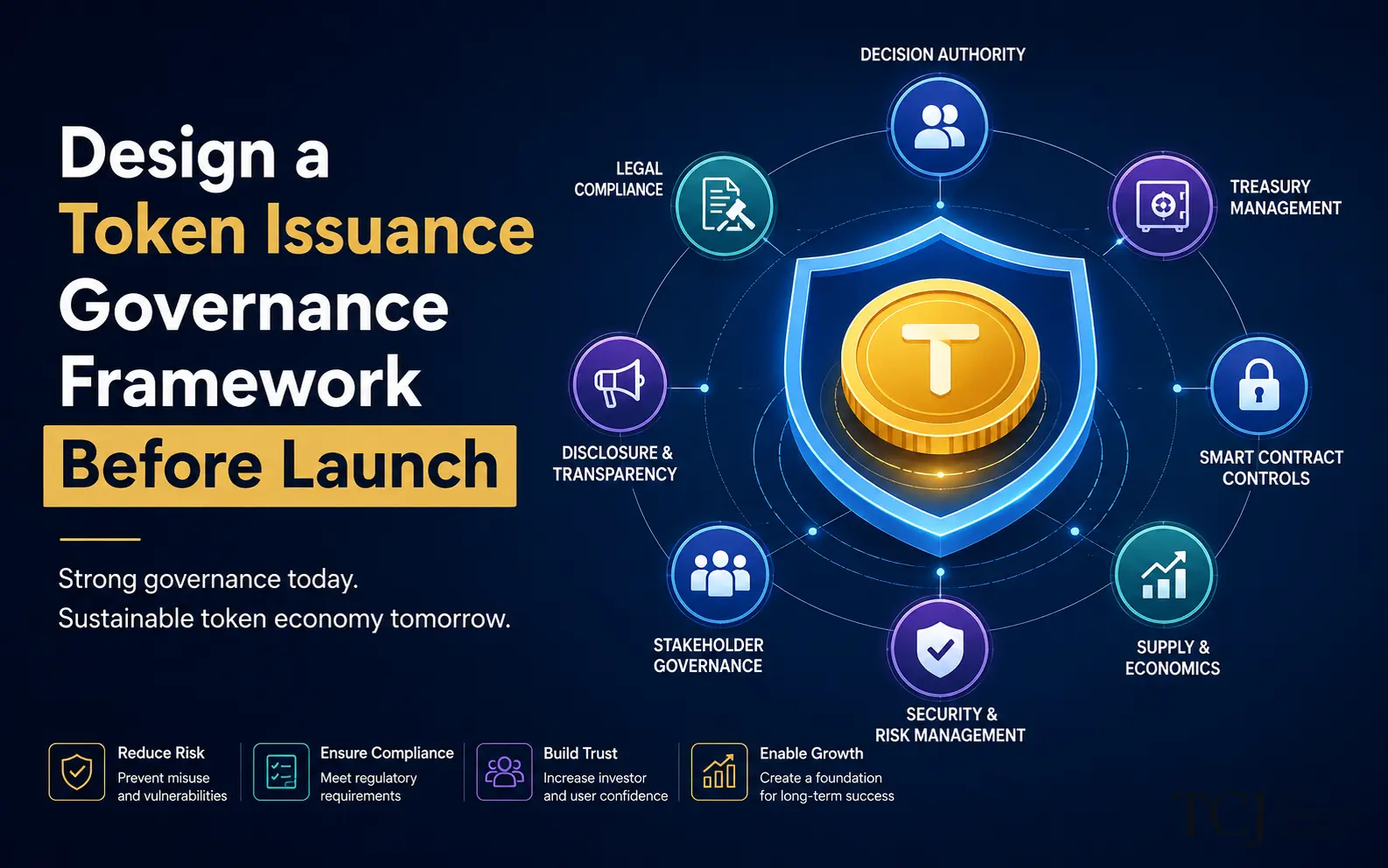
How to Design a Token Issuance Governance Framework in the UAE
A practical framework for UAE founders and Web3 teams to define token authority, supply controls, treasury governance, vesting, smart-contract permissions, compliance and launch readiness before issuance.

The UAE Crypto Travel Rule: Practical Compliance for VASPs
UAE virtual asset firms need more than a Travel Rule messaging tool. This practical guide explains thresholds, customer data, VASP checks, unhosted wallets, monitoring, exceptions and audit readiness.