How to Use Storytelling in Business Marketing
Practical ways businesses can use storytelling to build trust, improve customer engagement, and make marketing messages more memorable.
Key takeaways
- Storytelling helps businesses turn ordinary marketing messages into memorable customer-focused communication.
- The customer should usually be the hero of the story, while the business acts as the guide.
- Strong business stories include a relatable character, a clear problem, and a believable resolution.
- Websites, social media, emails, videos, and case studies can all benefit from practical storytelling.
- Business stories should be honest, specific, and connected to a clear commercial goal.
Why storytelling matters in business marketing
Most business owners understand their product well. The harder part is explaining why customers should care.
A company may offer a useful service, a reliable product, or a better price than competitors. Yet if the message feels flat, customers may still scroll past it. This is where storytelling becomes valuable. It gives structure, emotion, and meaning to marketing communication.
Storytelling is not about making things dramatic. It is about showing the customer what changed, why it mattered, and how the business helped solve a real problem.
For example, a small accounting firm could say, “We provide bookkeeping services.” That is clear, but forgettable. A stronger message would be: “A retail owner came to us after months of unclear sales records and late supplier payments. Once the accounts were cleaned up, she could finally see which products were profitable and where cash was leaking.”
The second version feels practical because it shows a situation business owners recognise.
The customer should be the centre of the story
One mistake many companies make is placing themselves at the centre of every message.
They talk about their years of experience, their team, their systems, and their achievements. These details may matter, but customers usually want to know one thing first: “Can this business understand and solve my problem?”
Good storytelling makes the customer the main character. The business plays the role of guide, adviser, or solution provider.
For a consulting firm, this could mean showing how a founder moved from confusion to clarity. For a marketing agency, it may show how a brand moved from inconsistent messaging to a clear market position. For a software company, it may show how a team reduced manual work and gained time.
The strongest business stories do not simply describe what a company sells; they show what changes for the customer. — The Consulting Journal Editorial Team
The basic structure of a strong business story
A good marketing story does not need to be long. It needs to be clear.
Most effective business stories include three parts.
First, there is a character. This is usually the customer, founder, employee, or community being served.
Second, there is a problem. The problem creates relevance. Without it, the story becomes a general announcement.
Third, there is a resolution. This explains what changed after the product, service, or decision was introduced.
A useful structure is:
- Before: What was the customer struggling with?
- Turning point: What made them look for a solution?
- Action: What did the business do?
- Result: What improved?
This structure works across websites, social media captions, email campaigns, case studies, pitch decks, and short videos.
How to identify your brand story
Many business owners say, “We do not really have a story.”
In practice, they usually do. They are simply too close to the business to see it.
Start by asking practical questions:
- Why was the company started?
- What problem did the founder notice?
- Which customer problems appear again and again?
- What feedback do customers give after working with the business?
- What values guide the way the company makes decisions?
For example, a UAE-based SME may have started because the founder noticed that small businesses were struggling with proper accounting records before VAT filing or corporate tax preparation. A free zone consultancy may have grown because founders needed clearer guidance before applying for licences and opening bank accounts.
These are not just operational details. They are potential stories.
Example 1:
A small food trading business in Dubai was posting only product photos on social media. The posts were clean, but engagement was weak.
Instead of simply showing boxes, shelves, and offers, the business began telling short stories about sourcing, quality checks, delivery challenges, and customer use cases. One post explained how a restaurant owner avoided a last-minute supply issue before a weekend rush because the trading company kept backup stock.
The message changed from “We sell food products” to “We understand how supply reliability affects your business.”
That shift made the content more relevant to commercial buyers.
Using storytelling across different marketing channels
Storytelling should not sit only on an “About Us” page. It can support nearly every marketing channel.
Website storytelling
A business website should do more than list services. It should help visitors understand who the business serves, what problems it solves, and why its approach is different.
A homepage can use storytelling by showing a common customer situation near the top of the page. For example:
“Many growing SMEs reach a point where invoices, payroll, VAT records, and supplier payments are handled by different people in different files. At first, it works. Then reporting becomes slow, cash flow becomes unclear, and management decisions become harder.”
This type of opening speaks directly to a real business problem.
Social media storytelling
Social media rewards messages that feel human and specific. Businesses can use storytelling through:
- Founder lessons
- Customer challenges
- Behind-the-scenes work
- Employee experiences
- Before-and-after examples
- Practical lessons from real projects
A weak post says, “We help businesses grow.”
A stronger post says, “Last month, a founder came to us after spending six months marketing to the wrong customer segment. Once we reviewed the offer, pricing, and customer objections, the business changed its messaging and started attracting better-qualified leads.”
The second version gives the reader something to learn from.
Email marketing stories
Email campaigns often fail when every message sounds like a promotion.
A story-based email can begin with a problem, describe a familiar situation, and then introduce the offer naturally. This feels less aggressive and more useful.
For example, a business advisory firm could send an email about a founder who delayed organising company records until banking or tax deadlines created pressure. The lesson becomes clear without sounding like a hard sell.
Video storytelling
Video is especially useful because it combines tone, expression, visuals, and pacing.
A short business video can show:
- A customer before using the service
- The issue they faced
- The process of solving it
- The result or lesson learned
The best videos do not need expensive production. They need clear thinking, real situations, and a message that respects the viewer’s time.
Example 2:
A professional services firm wanted to improve its LinkedIn presence. The team was posting technical updates, but the content felt distant.
They began sharing short advisory stories from client situations, without naming clients or revealing confidential details. One post explained how a founder misunderstood the difference between having revenue and having healthy cash flow. Another post showed how poor documentation delayed a company’s banking preparation.
The content became more useful because it moved from abstract advice to practical business experience.
Common mistakes business owners make
Talking too much about the company
Customers do need to know who you are, but they first need to see themselves in the message. A company that only talks about its own achievements may sound impressive but not relevant.
Making the story too polished
Overly polished stories can feel artificial. Real business stories usually include practical friction: delays, doubts, mistakes, decisions, and lessons learned.
Forgetting the customer problem
A story without a problem is often just a description. The problem gives the story purpose.
Using fake emotion
Customers can sense when a story has been exaggerated. Keep the tone honest. A simple, specific story is usually stronger than a dramatic claim.
Not linking the story to action
Storytelling should guide the reader toward a next step. That step may be booking a consultation, reading a case study, subscribing, requesting a quote, or reviewing a service page.
Practical checklist for better business storytelling
Before publishing a marketing story, check the following:
- Is the customer or audience clearly identified?
- Does the story include a real problem or tension?
- Is the business positioned as the guide, not the hero?
- Is the result practical and believable?
- Is the message simple enough to remember?
- Does the story connect to a business goal?
- Is there a clear next step for the reader?
- Have confidential client details been removed or anonymised?
- Does the tone sound natural rather than exaggerated?
- Can the story be reused across website, social media, email, or sales material?
How to measure storytelling success
Storytelling should support business outcomes. It is creative, but it should not be vague.
Useful indicators include:
- More time spent on website pages
- Higher email open and reply rates
- Better social media engagement
- More qualified enquiries
- Improved sales conversation quality
- Increased customer referrals
- Stronger brand recall
A business should also listen to customer language. When customers start repeating your message back to you, that is a strong sign the story is working.
For example, if prospects begin saying, “We saw your post about messy bookkeeping before tax filing — that sounds like us,” the story has done its job.
Final advisory note
Learning how to use storytelling in business marketing is not about replacing facts. It is about making facts easier to understand, remember, and trust.
Business owners should start with real customer problems, practical examples, and honest lessons from experience. The strongest stories often come from everyday business situations: a delayed invoice, a confused founder, a missed opportunity, a better process, or a customer who finally gained clarity.
Good storytelling does not make weak businesses strong. But it does help strong businesses explain their value more clearly.
Questions and answers
Why is storytelling important in business marketing?
Storytelling helps customers understand the value of a business through real situations rather than plain claims. It builds trust, improves recall, and makes marketing messages feel more relevant.
Can small businesses use storytelling effectively?
Yes. Small businesses often have strong founder stories, customer examples, and practical lessons that larger brands may struggle to communicate authentically. The key is to stay specific and honest.
What makes a good marketing story?
A good marketing story includes a relatable customer, a clear problem, and a practical result. It should help the audience see what changed and why the solution mattered.
Where should businesses use storytelling?
Storytelling can be used on websites, social media, email campaigns, sales presentations, case studies, videos, and even proposals. The same core story can often be adapted for different channels.
How can a business avoid sounding too promotional?
Focus on the customer’s situation before introducing the product or service. When the story begins with a real problem and useful lesson, the offer feels more natural and less like a sales pitch.
More in Marketing
View all Marketing →
Competitor Analysis Before Starting a Business in Dubai
Competitor analysis helps Dubai founders test demand, pricing, positioning, and customer expectations before committing to licence, office, hiring, and marketing costs.

How to Network and Find Business Partners in Dubai
A practical Dubai networking guide covering where to meet credible business partners, how to build trust, conduct due diligence, and turn introductions into structured commercial opportunities.
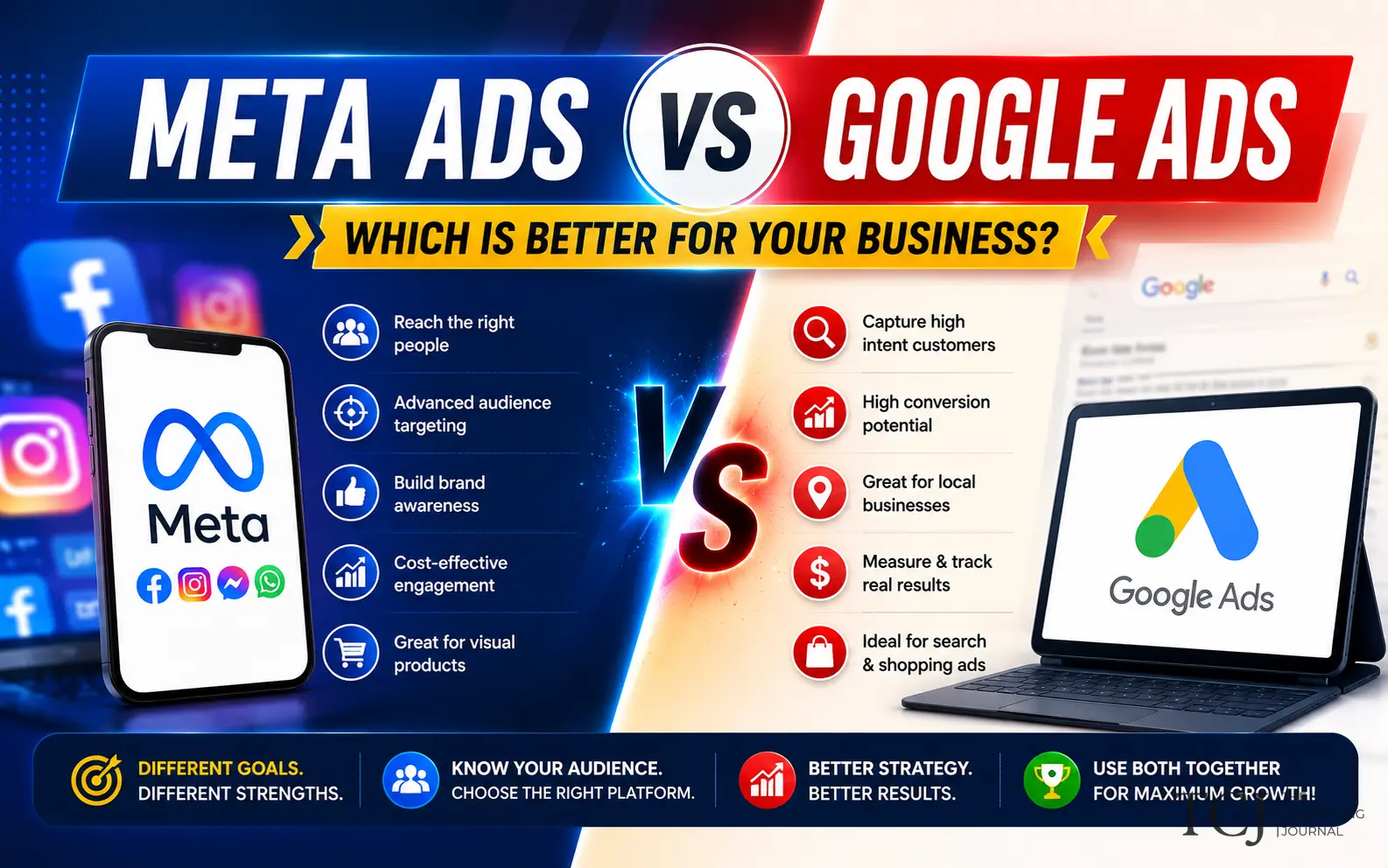
Meta Ads vs Google Ads: Which Is Better for Your Business?
A practical comparison of Meta Ads and Google Ads for business owners deciding where to invest, how to measure ROI, and when to use both platforms together.