Manual vs Automatic Driving Licence in UAE: Which Is Better?
Automatic driving is usually easier in UAE traffic, while a manual licence offers broader vehicle flexibility. Compare the learning demands, practical restrictions, costs, career considerations, and Dubai upgrade process.
Key takeaways
- An automatic licence is generally the simpler option for new drivers and frequent UAE city commuters.
- A manual licence offers broader vehicle flexibility when future personal or employment needs may include manual cars.
- An automatic-only licence should not be used to drive a manual vehicle.
- Dubai provides a formal automatic-to-manual upgrade process requiring a manual road test.
- Course costs depend on training needs, test attempts, institute packages, and emirate-specific procedures.
- The best choice is the licence that matches the vehicles you are realistically likely to drive.
What is the main difference between manual and automatic licences?
An automatic licence is obtained by training and testing in an automatic vehicle. A manual licence involves training and testing with a clutch and manually selected gears. In Dubai licensing records, an automatic qualification is specifically identified as “Light Vehicle Automatic,” while a manual qualification is recorded as “Light Vehicle.”
The practical differences include:
- Automatic learners do not need to coordinate a clutch pedal.
- Manual learners must manage gears, clutch control, steering, observation, and speed together.
- Automatic vehicles are usually more comfortable in slow-moving traffic.
- Manual training provides greater flexibility when different vehicle types may need to be driven.
- Manual learners may need more practice before they can control the vehicle smoothly.
- An automatic licence should not be treated as permission to drive a manual vehicle.
The better licence is not the one that appears more advanced; it is the one that fits the driver’s real vehicle needs and supports safe, confident driving. — Consulting Journal observation
What is an automatic driving licence?
An automatic driving licence is obtained after completing the required training and practical assessment in a vehicle that changes gears without a clutch pedal. The driver mainly manages acceleration, braking, steering, observation, positioning, and the transmission selector.
Automatic training can be suitable for:
- First-time drivers who want fewer controls to manage
- Learners who find clutch coordination difficult
- Nervous drivers who need to focus on road awareness
- Residents who expect to use only automatic family cars
- Motorists with frequent urban commutes
- Drivers planning to use standard hybrid or electric passenger vehicles
Removing clutch and gear coordination does not remove the need for good judgement. Automatic candidates must still demonstrate observation, signalling, lane discipline, parking control, appropriate speed, safe following distance, and compliance with road instructions.
The RTA Light Motor Vehicle Handbook describes the theory test as an important part of Dubai’s driver-licensing process. Applicable theory requirements must be completed alongside practical training and testing.
What is a manual driving licence?
A manual driving licence is obtained by training and taking the practical road test in a vehicle with a manual gearbox. Learners must coordinate the clutch, accelerator, brake, gear lever, steering, mirrors, and surrounding traffic.
Manual training normally covers:
- Moving away without stalling
- Selecting the correct gear
- Changing gears smoothly
- Controlling the vehicle at low speed
- Preventing rollback on slopes
- Approaching junctions in an appropriate gear
- Maintaining observation while operating the controls
The learning curve can be steeper because the driver must build mechanical control while also developing road awareness. Once the skills become familiar, many drivers operate a manual car without consciously thinking through every movement.
In Dubai’s licensing classification, automatic light-vehicle entitlement is separately identified, while the standard light-vehicle class is not marked as automatic. In practice, this distinction is why manual qualification provides broader transmission flexibility, subject to the vehicle category and any restrictions recorded on the licence.
Which licence is easier for a beginner?
Automatic is generally easier because the learner does not need to find the clutch biting point, choose gears, or recover from stalling. This allows more attention to be directed towards traffic signs, mirrors, hazards, lane positioning, roundabouts, parking, and instructor directions.
Manual learners face additional early-stage difficulties, including:
- Releasing the clutch too quickly
- Selecting the wrong gear
- Looking down at the gear lever
- Stalling near junctions
- Rolling backwards on an incline
- Losing concentration while changing gears
- Entering a bend or roundabout in an unsuitable gear
The automatic road test should not be considered easy simply because the vehicle has fewer controls. Weak observation, unsafe lane changes, poor judgement, inappropriate speed, or failure to follow instructions may still result in an unsuccessful test.
Which option is better for UAE traffic?
Automatic vehicles are usually more convenient for frequent urban driving. In slow-moving traffic, the driver can progress using the accelerator and brake without repeatedly operating a clutch or changing between lower gears.
This can make a practical difference for residents commuting through busy areas of Dubai, Abu Dhabi, or Sharjah. It may also reduce fatigue during school runs, client visits, shopping trips, and daily travel between residential and commercial districts.
Manual driving remains manageable for an experienced driver, but it involves more physical input in congestion. Learners should consider how often they will face heavy traffic rather than selecting a course only on the basis of perceived status or driving enthusiasm.
Example 1:
A fictional Dubai resident, Kareem, plans to use his family’s automatic SUV for commuting between Mirdif and Business Bay. He has no expectation of driving for work or using a manual vehicle abroad. An automatic course is the more practical choice because it matches the only vehicle he expects to operate.
Which licence provides more vehicle choice?
Manual qualification is the stronger option when a driver expects to use different vehicles. It can be useful when borrowing a family car, buying from the used-vehicle market, travelling to a country where manual cars remain available, or working with an employer that operates a mixed fleet.
A manual licence may be relevant for roles connected with:
- Automotive maintenance
- Vehicle inspection
- Fleet operations
- Logistics support
- Construction sites
- Field services
- Automotive sales
- Certain delivery or transport functions
A manual licence does not automatically qualify someone for every driving role. Employers may require a particular licence category, minimum experience, a suitable driving record, occupational permits, or additional approvals. Heavy vehicles, buses, motorcycles, and specialised equipment are covered by separate categories and requirements.
Example 2:
A fictional Sharjah-based technician, Meera, visits client sites and expects her employer to expand its service fleet. Some future company vehicles may have manual gearboxes. Although manual training requires more effort, the wider qualification could prevent a transmission restriction from affecting her work assignments.
Is a manual licence more expensive?
A manual licence is not automatically more expensive. The final amount depends on the emirate, driving institute, course package, required training hours, test attempts, file charges, and any additional lessons.
Manual learners may spend more when they need extra practice to master clutch control or gear changes. Automatic learners can also incur additional costs when they require more road training or repeat assessments.
Before registering, ask the driving institute for a full breakdown covering:
- Traffic-file opening charges
- Eye-test charges
- Theory classes and knowledge test
- Practical training hours
- Internal assessments
- Yard and road-test charges
- Licence issuance
- Retest charges
- Additional lesson rates
- Weekend or priority scheduling fees
Comparing only the advertised starting price can create a misleading impression. The more useful figure is the likely total cost based on your experience level and the institute’s package conditions.
Can you drive a manual car with an automatic UAE licence?
An automatic-only licence should not be used to drive a manual vehicle. The Dubai RTA records automatic entitlement separately, and it provides a formal service for changing a valid automatic light-vehicle licence to manual.
Driving outside the entitlement recorded against the licence may create road-safety, enforcement, and insurance concerns. Drivers should not rely on social-media comments, informal advice, or assumptions based on what is printed on a physical card.
When there is uncertainty, check the electronic licence record or contact the authority responsible for the traffic file.
How can a Dubai licence be upgraded from automatic to manual?
A holder of a valid Dubai automatic light-vehicle licence can apply through the RTA process, select a driving institute, book the manual road test, pay the relevant fees, and receive an amended licence after passing.
As of June 19, 2026, the RTA service page states that applicants must undergo an eye test and provide their Emirates ID and valid driving licence. The listed service fee is AED 320, comprising the road-test appointment, category change, and Knowledge and Innovation fees. RTA also states that no fixed training sessions are required solely for the conversion; passing the road test is required.
Even when lessons are not mandatory, attempting the test without adequate manual-driving practice may be unsafe and financially inefficient. A driver should be comfortable with clutch control, gear changes, slopes, junctions, parking, and observation before booking the assessment.
Drivers licensed in another emirate should check with the relevant local authority. Dubai’s process, fees, and eligibility rules should not be assumed to apply identically across the UAE.
What common mistakes do learners make when choosing?
Choosing manual only because it seems more impressive
Manual training provides useful flexibility, but that benefit may have little practical value when every available family, rental, or company car is automatic.
Choosing automatic without considering future work
A learner may later discover that a company vehicle or job requirement involves manual driving. Thinking two or three years ahead can reduce the need for a later upgrade.
Assuming automatic means no serious preparation
Transmission simplicity does not replace observation, hazard awareness, lane control, parking practice, or knowledge of traffic rules.
Comparing course prices without reading the conditions
Low advertised prices may exclude tests, file charges, extra lessons, or licence issuance. Learners should request a complete cost explanation.
Following another person’s course choice
A friend who learned manual may have different coordination skills, vehicle access, confidence, and career plans. The decision should be based on the individual driver’s circumstances.
Assuming every emirate follows the same procedure
Licensing services are administered through the relevant authorities. Documents, packages, service channels, and conversion arrangements may differ.
What should you prepare before registering?
Use the following checklist before selecting a driving course:
- Confirm which emirate will hold your traffic file.
- Check your eligibility and required identification documents.
- Complete an eye test through an accepted provider.
- Decide which household or company vehicles you are likely to drive.
- Ask whether future employment may involve manual vehicles.
- Compare complete course costs rather than headline prices.
- Confirm the number and duration of training sessions.
- Ask how retests and additional lessons are charged.
- Review cancellation and rescheduling conditions.
- Check whether your preferred lesson times are available.
- Confirm whether the course is manual or automatic before paying.
- Keep copies of receipts, test bookings, and institute communications.
- Verify the latest procedure with the relevant authority or approved institute.
What is the practical recommendation?
Choose an automatic licence when your priority is easier learning, comfortable urban driving, and use of modern private vehicles. It is likely to meet the needs of residents who mainly commute, complete family journeys, rent standard passenger cars, or travel between emirates.
Choose manual when there is a realistic possibility that you will drive a manual family car, company vehicle, overseas rental, or mixed-fleet vehicle. The additional effort is easier to justify when the broader qualification has a clear practical or employment benefit.
Before registering, ask one direct question: “Is there a realistic chance that I will need to drive a manual vehicle within the next few years?” A genuine yes supports choosing manual. A confident no usually supports choosing automatic.
Whichever course you select, the main objective is not simply to pass the road test. It is to develop the observation, judgement, control, and responsibility needed to drive safely.
This article is for informational purposes and does not constitute legal, tax, accounting, or financial advice. Driving-licence requirements, fees, and procedures may change, and applicants should confirm current information with the relevant UAE authority.
Questions and answers
Q: Is an automatic driving licence easier to obtain in the UAE?
A: Automatic driving is generally easier to learn because there is no clutch pedal or manual gear selection. Candidates must still demonstrate safe observation, lane control, parking, speed management, and sound judgement during training and testing.
Q: Can a manual-licence holder drive an automatic car in the UAE?
A: A standard manual light-vehicle qualification generally provides broader transmission flexibility than an automatic-only qualification. Drivers should still confirm the vehicle category and any restrictions recorded against their licence.
Q: Can I drive a manual car with an automatic UAE licence?
A: No. An automatic-only entitlement should not be used to operate a manual vehicle. The driver should complete the applicable upgrade process through the authority responsible for the licence.
Q: Can I change my automatic Dubai licence to manual later?
A: Yes. Dubai RTA provides an upgrade service that requires the applicant to book and pass a manual road test. As of June 19, 2026, RTA states that no fixed training sessions are mandatory solely for the conversion, although suitable practice is advisable.
Q: Which licence is better for driving in Dubai?
A: Automatic is usually more convenient for daily driving in congestion because it removes repeated clutch and gear operation. Manual is the better option when the driver expects to use both transmission types or may need manual driving for work.
More in Immigration
View all Immigration →
UAE Investor Visas and Business Relocation for Italian Entrepreneurs
Italian entrepreneurs considering Dubai or the wider UAE should coordinate company setup, residence visas, Tax, Accounting, banking and Italian tax-residency planning before relocating.
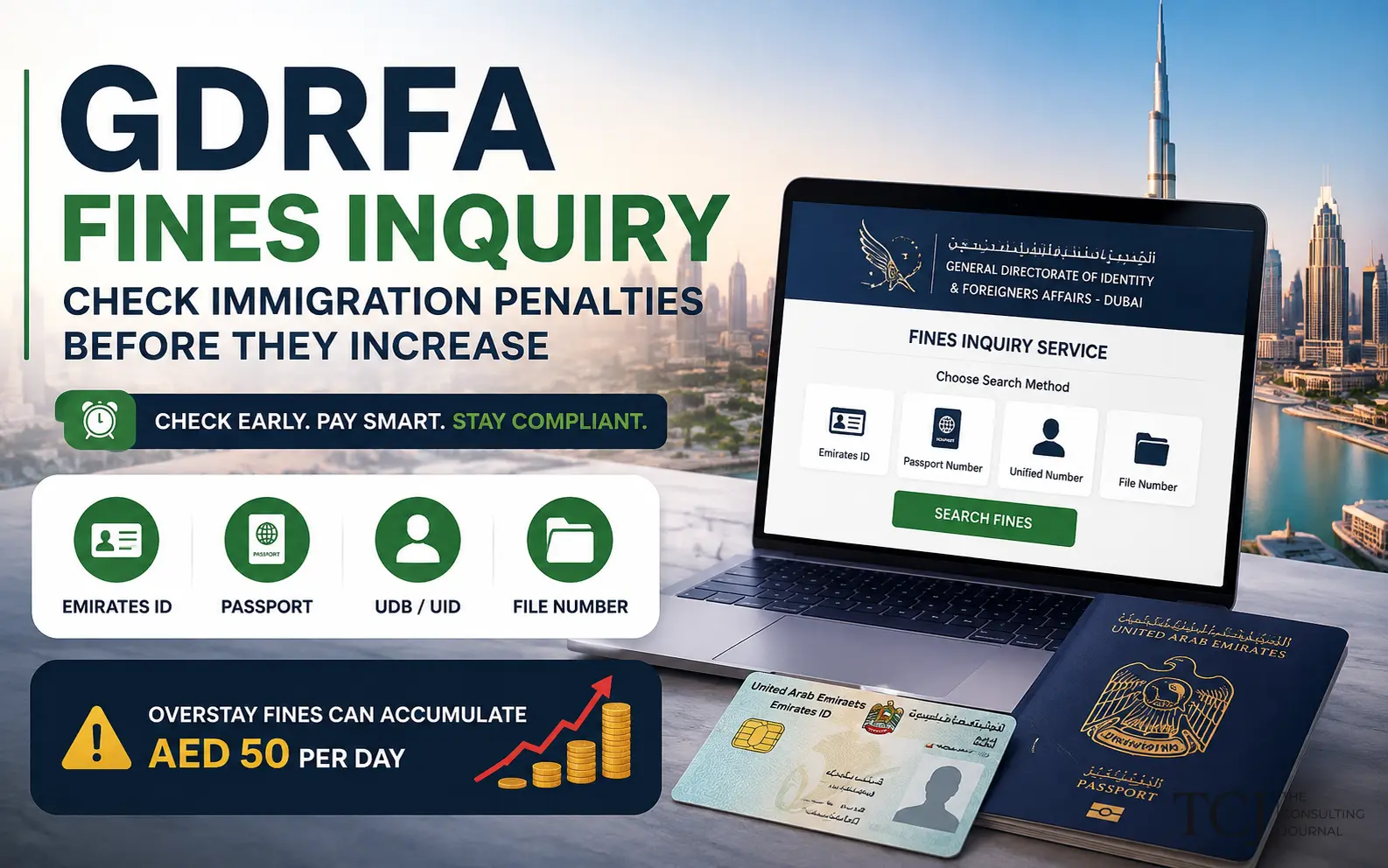
GDRFA Fines Inquiry in Dubai: How to Check Visa Fines Online
A practical guide to checking GDRFA immigration fines in Dubai using Emirates ID, passport, unified number or file number, with guidance on overstay fines and next steps.
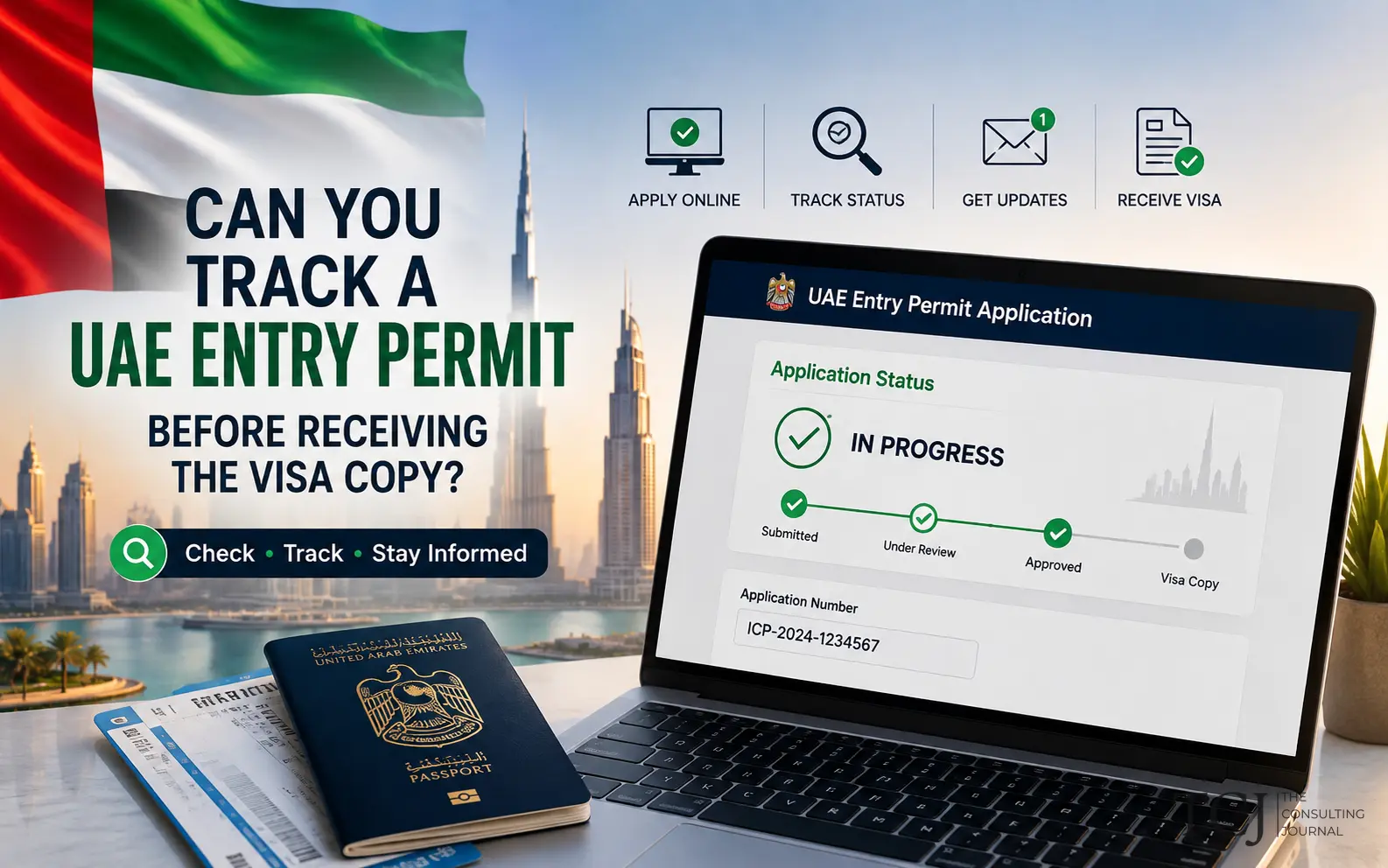
Can You Track a UAE Entry Permit Before Receiving the Visa Copy?
A UAE entry permit application can often be tracked before the final visa copy arrives. Here is how to identify the right authority, find the reference number and check the application safely.