How Tokenization Can Change Real Estate Investment in Dubai
Real estate tokenization is moving from theory to regulated testing in Dubai, creating new possibilities for fractional ownership, liquidity, and investor access.
Why real estate tokenization matters now
Real estate has always attracted investors because it is tangible, income-producing, and easier to understand than many financial products. The difficulty is access. A good property in Dubai, Abu Dhabi, or another major market often requires substantial capital, financing readiness, legal checks, valuation work, and patience.
Tokenization changes part of that equation. In simple terms, it converts economic or ownership-linked interests in a real-world asset into digital tokens that can be recorded and transferred through blockchain-based infrastructure. The uploaded source draft correctly frames the main themes around fractional ownership, liquidity, blockchain records, global access, and regulatory risk.
For business owners and investors, the practical question is not whether tokenization sounds innovative. The better question is whether the structure is legally sound, properly regulated, commercially useful, and transparent enough for real capital.
Dubai is now one of the markets where that question is being tested seriously. Dubai Land Department says its Real Estate Tokenization Project is powered in collaboration with VARA, Dubai Future Foundation, and the Central Bank of the UAE, under the Real Estate Evolution Space Initiative, with objectives including fractional ownership, wider investor access, governance, and transparency.
What tokenization means in property investment
Tokenization does not mean a building disappears into a digital wallet. The property remains a physical asset. The token usually represents a defined interest connected to that asset, depending on the legal structure.
In practice, the structure may involve:
- A property selected for tokenization
- Legal documentation connecting the asset to investor rights
- A regulated platform or issuer
- Investor onboarding and KYC checks
- Digital records showing token ownership
- Rules for income distribution, resale, and investor reporting
The commercial appeal is clear. A property that previously required one buyer or a small group of wealthy investors may become accessible to a broader pool of participants. Instead of committing several million dirhams to one asset, an investor may take a smaller exposure and spread capital across different properties or sectors.
Dubai’s regulatory direction is the key point
The UAE market is not treating tokenized real estate as an unregulated experiment. This is important for serious investors.
In February 2026, Dubai Land Department announced Phase II of the Real Estate Tokenisation Project, enabling resale activity in the secondary market from 20 February. DLD described the move as a transition from pilot stage to a more advanced operational stage within a regulated model.
That development matters because liquidity is one of the biggest promises of tokenization. Traditional real estate can take weeks or months to sell. A tokenized structure may, in time, allow investors to exit through approved secondary-market mechanisms. However, investors should be careful with the word “liquidity.” A resale function does not guarantee that there will always be a buyer, a fair price, or immediate settlement.
VARA has also issued a clear marketplace alert. It confirmed that Phase 1 of the Real Estate Tokenisation Pilot had been completed and that Phase 2 was being conducted under close regulatory oversight. VARA also warned that any entity offering, marketing, or facilitating tokenized real estate products in or from Dubai must hold the appropriate licence or approval from VARA and other relevant authorities.
Tokenized real estate should be assessed as an investment structure first and a technology product second. — The Consulting Journal
The investment case: access, diversification, and transparency
The strongest case for real estate tokenization is access.
In a conventional transaction, investors may face high down payments, transfer fees, financing requirements, and long transaction timelines. Tokenization can lower the entry point by allowing smaller participation units. That does not remove risk, but it can make portfolio construction more flexible.
A younger investor, for example, may not be ready to buy a full apartment in Dubai Marina or Business Bay. A family office may want exposure to several income-producing assets without managing each property directly. A corporate treasury team may want to examine real estate-linked exposure as part of a broader investment strategy.
Transparency is another benefit. Blockchain-based records can improve traceability, auditability, and investor reporting when the platform and governance model are well designed. This can help reduce confusion around who owns what, when transfers happened, and how income was allocated.
Dubai Land Department reported that the first tokenized real estate project on the Prypco Mint platform, licensed by VARA, sold within one day of launch. It also said the project attracted 224 investors, with 70% entering Dubai’s real estate market for the first time, across 44 nationalities.
Those numbers show why tokenization is attracting attention. It can open the market to new investor segments. But it also increases the need for clear investor education.
Example 1:
A Dubai-based SME owner has surplus cash but does not want to purchase a full commercial unit. The business already has working capital tied up in inventory, staff costs, VAT payments, and supplier cycles. A tokenized real estate product may allow the owner to allocate a smaller amount to property exposure while keeping cash available for operations.
The advisory point is simple: the owner should not look only at projected returns. They should review the platform’s approval status, the legal ownership structure, expected fees, resale rules, tax treatment, reporting quality, and whether the investment fits the company’s cash flow profile.
Example 2:
A regional proptech founder wants to launch a tokenized property platform in Dubai. The technology team can build wallets, dashboards, investor portals, and smart contract logic. But the business cannot rely on software alone.
Before approaching the market, the founder needs regulatory mapping, licensing analysis, AML and KYC procedures, investor communication controls, custody arrangements, data protection review, and clear documentation of investor rights. In Dubai, this is especially important because VARA has made clear that unauthorised marketing or solicitation around tokenized real estate products should be treated with caution.
Where DIFC and tokenized investments fit
Not every tokenization structure in Dubai falls under the same regulatory route. DIFC has its own financial services regulator, the DFSA. The DFSA has launched a Tokenisation Regulatory Sandbox for firms exploring tokenized investment products and services within DIFC. The sandbox covers areas such as tokenized equities, bonds, sukuk, and collective investment fund units, while crypto tokens and fiat crypto tokens are outside the sandbox scope.
This matters because tokenized real estate can take different legal forms. One structure may look like a virtual asset activity. Another may resemble a fund unit or financial investment. A third may involve property title, SPV ownership, income rights, or contractual claims.
The wrong classification can create licensing, marketing, custody, and investor-protection problems. For investors, the lesson is to ask who regulates the product and what exactly the token represents.
Common mistakes business owners make
Many investors and founders become excited by the technology and under-check the structure. That is where mistakes usually begin.
Common mistakes include:
- Assuming token ownership is the same as direct title ownership
- Ignoring whether the platform is licensed or formally approved
- Treating projected rental income as guaranteed
- Overlooking resale restrictions and lock-in periods
- Failing to understand fees, custody, wallet access, or exit costs
- Marketing a tokenized product before obtaining regulatory clearance
- Using vague language such as “asset-backed” without explaining investor rights
- Not checking tax, accounting, and reporting implications
A practical investor should ask for the documents first and the sales pitch second.
Documents and preparation checklist
Before investing in or launching a tokenized real estate project, businesses should prepare and review:
- Platform licence or regulatory approval evidence
- Property ownership and title documentation
- Valuation report and asset due diligence
- Legal structure chart
- Investor rights summary
- Token terms and conditions
- Risk disclosure document
- AML and KYC onboarding process
- Custody and wallet arrangement details
- Income distribution policy
- Secondary-market or resale rules
- Fees, charges, and exit cost schedule
- Tax and accounting treatment note
- Investor reporting format
- Dispute-resolution mechanism
For a UAE business, it is also sensible to check how the investment will be recorded in the books, whether fair value assessment is needed, how income will be classified, and whether board or shareholder approvals are required.
What investors should watch next
The next stage of tokenized real estate in Dubai will depend on market depth, regulatory confidence, platform reliability, and investor behaviour.
If secondary markets become more active, tokenization may gradually improve price discovery and exit options. If developers are allowed to list more projects through approved routes, the market may become more diverse. If institutional investors enter, governance expectations will rise.
At the same time, risks remain. Digital wallets can be mishandled. Smart contracts can contain errors. Market demand can weaken. A token can trade below expected value. Regulatory permissions can be limited to specific pilots, platforms, or phases.
The DFSA’s updated Crypto Token framework in DIFC also shows that digital asset rules continue to evolve, with firms expected to document assessments and comply with enhanced safeguards.
Final advisory view
Real estate tokenization can change property investment by widening access, reducing minimum ticket sizes, improving transaction transparency, and creating the possibility of more flexible resale. In Dubai, the topic has moved beyond theory because regulators and government entities are testing controlled models.
Still, investors should avoid treating every tokenized property offer as safe simply because it uses blockchain language. The fundamentals remain the same: asset quality, legal rights, platform governance, regulatory approval, liquidity, tax treatment, and risk disclosure.
For founders, developers, and investors, the right approach is measured. Understand the structure. Verify the authority approvals. Read the documents. Assess the downside. Then decide whether the opportunity fits your investment or business strategy.
This article is for informational purposes and does not constitute legal, tax, accounting, or financial advice.
Questions and answers
What is real estate tokenization?
Real estate tokenization is the process of representing defined property-linked rights through digital tokens. Depending on the structure, the token may represent economic rights, fractional exposure, or another legally defined interest connected to a property.
Is tokenized real estate legal in Dubai?
Tokenized real estate can exist within regulated frameworks, but the structure and platform must be reviewed carefully. VARA has stated that entities offering, marketing, or facilitating tokenized real estate products in or from Dubai require the appropriate licence or approval.
Does tokenization mean I directly own part of the property title?
Not always. Some structures may connect tokens to title-related arrangements, while others may provide economic exposure through an SPV, fund, or contractual model. Investors should read the legal documents to understand exactly what rights the token provides.
Can tokenized real estate be sold more easily than traditional property?
It may become easier where an approved secondary-market mechanism exists, but liquidity is not guaranteed. Investor demand, platform rules, regulatory limits, and market conditions can all affect the ability to resell.
What should investors check before buying tokenized real estate?
Investors should check regulatory approvals, ownership structure, property valuation, income distribution rules, platform fees, custody arrangements, resale restrictions, and tax or accounting implications. A cautious review is especially important where marketing claims appear stronger than the supporting documents.
More in Crypto
View all Crypto →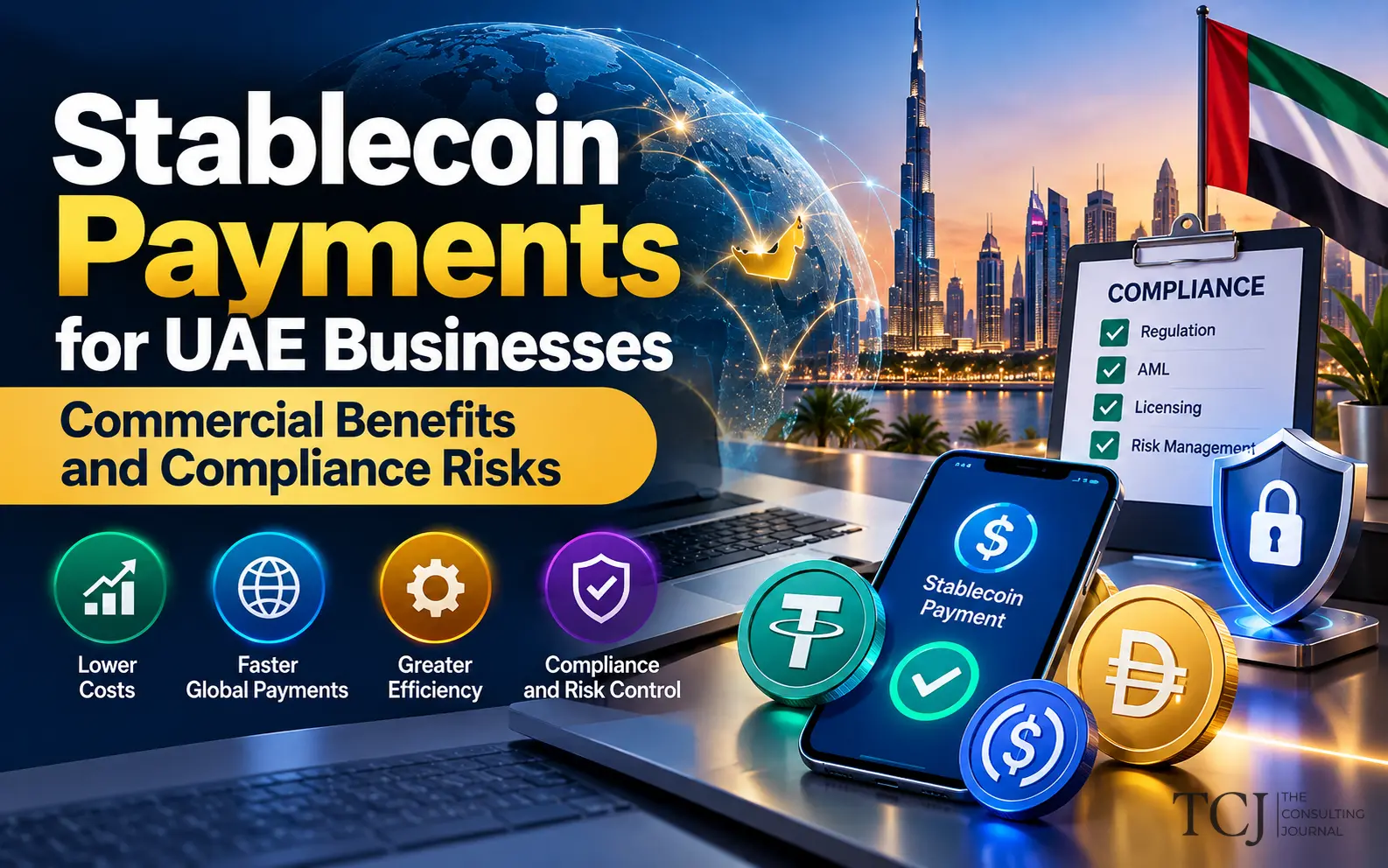
Stablecoin Payments for UAE Businesses: Benefits, Regulations and Risks
Stablecoin payments offer UAE businesses new possibilities for cross-border settlements and financial operations. Explore commercial benefits, CBUAE regulations, compliance risks, and practical steps before adoption.
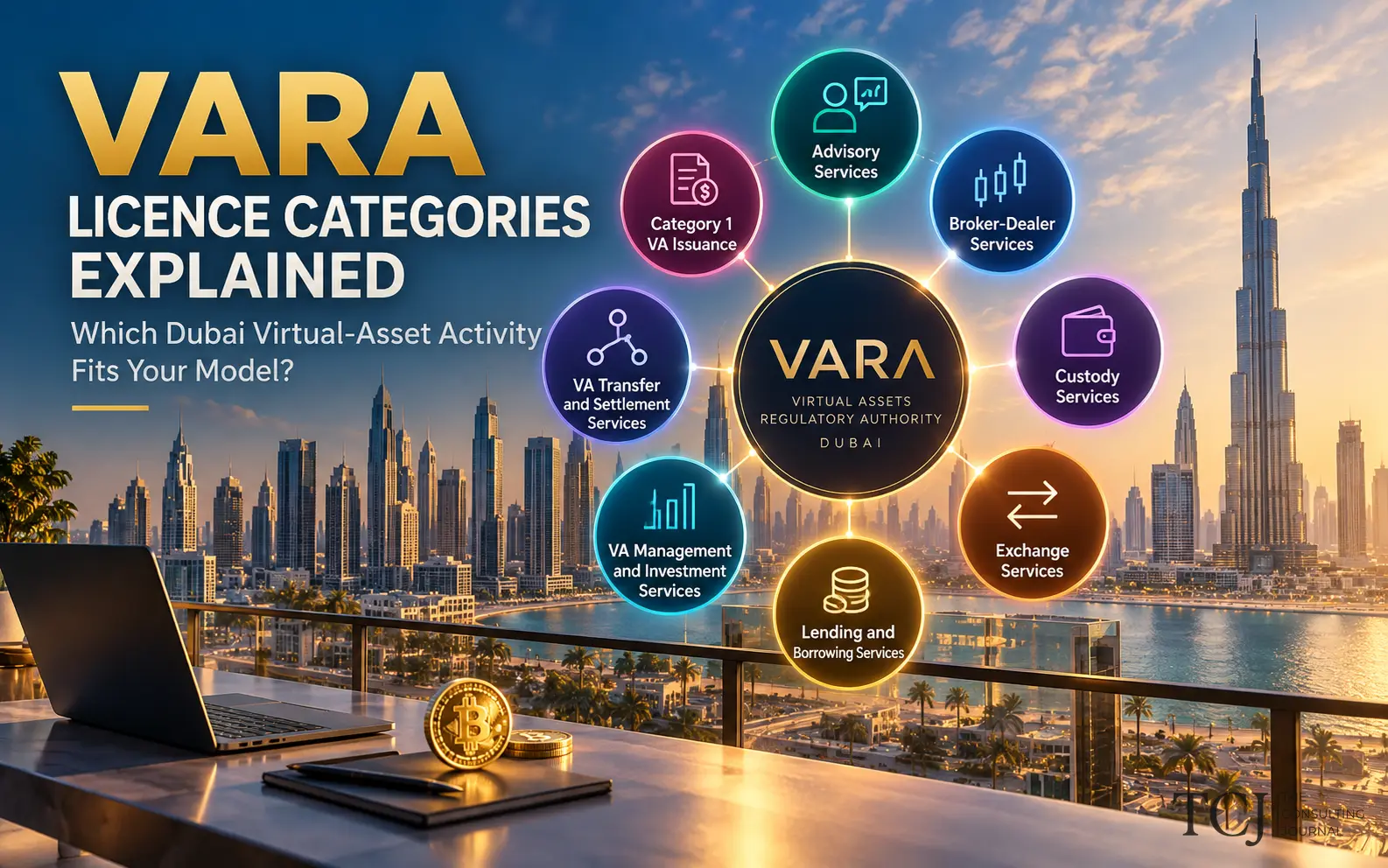
VARA Licence Categories Explained: Which Dubai Virtual-Asset Activity Fits Your Model?
Dubai’s virtual-asset framework is activity based, meaning there is no single generic crypto licence. This guide explains the eight VARA licence categories, how different business models may fall within them, and what founders should assess before launching a virtual-asset business in Dubai.

When Does a Spanish Digital-Asset Business Need a VARA Licence in Dubai?
Spanish crypto and digital-asset firms expanding to Dubai need to assess activities, entity location, marketing and licensing separately. This guide explains when VARA may apply, how MiCA fits, and what businesses should prepare before launch.