UAE Market Entry for Swiss Wealth Management and Fintech Companies
Swiss wealth managers and fintech companies entering the UAE need to align regulated activities, jurisdiction, licensing, governance and commercial strategy before establishing a local operation.
Key takeaways
- UAE financial-services market entry should start with activity classification before company formation.
- DIFC and ADGM offer different regulatory and commercial ecosystems for Swiss financial firms.
- Fintech licensing depends on what the platform actually does, not whether the company describes itself as a technology business.
- Swiss regulatory credentials can support credibility but do not replace UAE licensing requirements.
- Compliance, governance, local substance and distribution planning should be developed alongside the licensing strategy.
Why is the UAE relevant to Swiss financial companies?
The UAE offers Swiss firms access to established international financial centres, regional wealth, institutional capital, family offices, financial institutions and a growing fintech ecosystem. For companies with specialist capabilities in investment management, financial technology, risk, private markets or cross-border wealth services, Dubai and Abu Dhabi can provide distinct routes into the market.
The scale of the regulated ecosystem is continuing to develop. The DFSA reported that assets under management across DIFC's broader wealth and asset-management sector reached USD 176 billion at the end of 2025, while assets under advisory reached USD 220 billion. DIFC's fund-management sector included 121 authorised firms and 276 funds.
ADGM reported in September 2026 that assets under management grew 54% year on year during the first half of 2026. It also reported 190 fund and asset managers and 276 funds managed from ADGM.
These figures demonstrate market depth, not guaranteed opportunity. A new entrant still needs a credible proposition, regulatory fit, appropriate local substance and a practical distribution plan.
Which UAE regulators should Swiss firms understand?
There is no single financial-services licence covering every activity across the UAE. Companies should identify the regulatory perimeter before deciding where to establish.
The Dubai Financial Services Authority, or DFSA, regulates financial services conducted in or from Dubai International Financial Centre. Businesses carrying on regulated financial services generally need the appropriate DFSA authorisation, with permitted activities reflected in the firm's licence.
The Financial Services Regulatory Authority, or FSRA, regulates financial services within Abu Dhabi Global Market. Its framework covers areas including investment services, wealth and asset management, capital markets and regulated digital-asset activities.
The Central Bank of the UAE, or CBUAE, regulates specified financial activities at federal level. Article 61 of Federal Decree-Law No. 6 of 2025 includes activities such as deposits, credit and funding, open-finance services, currency exchange and money transfers, payment services using virtual assets, stored value, retail payments and digital money.
For management teams, the sequence matters:
- Define every proposed service.
- Map the customer journey and payment or investment flows.
- Identify which entity performs each activity.
- Determine whether any activity is regulated.
- Identify the relevant regulator.
- Select the legal and operational structure.
“For regulated UAE market entry, the entity should follow the activity map—not the other way around.” — Consultant observation, KPM Global Services UAE
Should a Swiss financial firm choose DIFC or ADGM?
Neither jurisdiction is automatically the better choice. DIFC and ADGM are both international financial centres with independent regulatory frameworks, established financial communities and routes for regulated financial businesses.
DIFC may suit firms seeking proximity to Dubai's private wealth, banking, professional-services and international business ecosystem. ADGM may be particularly relevant where Abu Dhabi-based institutional investors, asset managers, private capital or its digital-assets ecosystem form an important part of the commercial strategy.
Recent market activity illustrates the range of businesses establishing regulated operations.
WTW announced in June 2026 that it had received DFSA approval for an investment business in DIFC. Sahm Financial announced a DFSA licence in April 2026 covering activities including advising on financial products, arranging investment deals and dealing in investments as agent.
In Abu Dhabi, Bitcoin Suisse's Middle Eastern subsidiary received an FSRA Financial Services Permission in July 2026 for specified regulated virtual-asset activities for non-retail clients.
The lesson is not that another company should copy these structures. It is that permissions are linked to specific activities, customers and operating arrangements.
How should a Swiss wealth-management company approach UAE entry?
A wealth-management firm should begin by defining exactly where the UAE entity sits in the client relationship. Advising, arranging investments, discretionary management, fund management, execution and custody can create different regulatory considerations.
Management should map the complete journey:
- How is the client introduced?
- Which entity performs onboarding?
- Who assesses suitability or appropriateness?
- Who provides investment advice?
- Who makes investment decisions?
- Who executes transactions?
- Who holds or controls assets?
- Which entity earns the relevant fees?
- Where are records and client data maintained?
Cross-border arrangements need particular attention when the Swiss headquarters remains responsible for portfolio management, technology, research, execution or other functions.
Example 1: A fictional Zurich-based independent wealth manager wants a Dubai presence for regional relationship management. Its initial plan is to establish an office and continue delivering most investment services from Switzerland. Before choosing an entity, management maps exactly what the Dubai team will discuss with prospects and clients. That exercise identifies which activities may require UAE permissions and prevents the commercial team from operating beyond the intended regulatory perimeter.
Localisation also matters. UAE-based clients may have international companies, assets across several jurisdictions, family governance requirements and complex banking relationships. A copied Swiss proposition may therefore be less effective than a service model adapted to the actual needs of regional clients.
What should Swiss fintech companies assess before incorporating?
Fintech companies should determine whether they are supplying technology to regulated institutions or performing a regulated financial service themselves. A software platform and a regulated financial activity can look similar to the customer while having very different licensing implications.
The DFSA expressly distinguishes businesses carrying on regulated financial services from technology providers whose activities do not themselves constitute regulated financial services. It also operates an Innovation Testing Licence for eligible businesses testing innovative regulated financial products, services or business models.
At federal level, technology does not necessarily remove an activity from the CBUAE regulatory perimeter. Article 62 of the current framework addresses licensed financial activities carried on or facilitated through emerging technologies.
A fintech product map should establish:
- Who contracts with the customer.
- Who receives, transfers or controls money.
- Who makes investment, payment or credit decisions.
- Who executes transactions.
- Whether assets are held or controlled.
- Which services are outsourced.
- Which functions occur in Switzerland.
- Which functions occur in the UAE.
- How each group entity earns revenue.
The CBUAE reported that more than 60 fintech businesses were licensed or granted in-principle approval during 2025, with 36 fully licensed entities as of January 2026. The activities included open finance, digital wallets, merchant acquiring, payment aggregation, buy-now-pay-later and stablecoin-related services.
Example 2: A fictional Swiss fintech provides portfolio-reporting software to private banks. Its UAE plan initially assumes a financial-services licence will be needed because the product handles investment information. A detailed activity assessment shows that the intended UAE company would supply technology while regulated client institutions retain responsibility for investment services. Management can then assess the appropriate commercial structure without assuming either that a financial licence is mandatory or that the technology label makes the business automatically unregulated.
What changes for digital-asset companies?
Digital-asset businesses should classify activities individually rather than treating "crypto" as a single licensing category. Brokerage, custody, dealing, investment management, payment functions, token-related services and technology infrastructure can raise different regulatory questions.
ADGM's current framework covers regulated activities involving virtual assets, fiat-referenced tokens, digital securities and other digital-asset products. Firms conducting applicable financial services in ADGM need the relevant Financial Services Permission.
Federal regulation can also be relevant. The CBUAE framework expressly refers to payment services using virtual assets, while the appropriate regulatory treatment depends on the activity being performed.
For Swiss digital-asset firms, the regulatory analysis should therefore follow the service, asset type, client category and transaction flow rather than the company's broader fintech description.
Which UAE market-entry model can a Swiss company use?
Several structures may be practical depending on the business.
A fully regulated local operation can provide direct control over UAE client relationships and regulated services, but it normally requires more substantial governance, compliance, staffing, systems and financial resources.
A narrower local entity may handle selected activities while other functions remain with the Swiss group. Responsibilities need to be documented carefully, particularly for regulated services, client ownership, data and outsourcing.
A partnership-led model may be suitable where a Swiss technology provider works with an established UAE-regulated institution. The contract should clearly define which party performs each function.
A phased market-entry strategy may allow management to validate demand, partnerships and operating assumptions before expanding the local model. Where applicable, regulated testing frameworks may also be relevant.
The lowest incorporation cost should not determine the structure. Regulatory fit, commercial feasibility and the long-term operating model usually matter more.
What compliance and governance arrangements should management prepare?
Regulated market entry extends well beyond obtaining a licence. Depending on the business and regulator, companies may need appropriate governance, regulatory capital, compliance, anti-money-laundering controls, customer due diligence, sanctions screening, risk management, cybersecurity, outsourcing controls, regulatory reporting and record keeping.
For Swiss groups, cross-border governance deserves particular attention.
Management should document authority between the Swiss parent and UAE entity. This can include board responsibilities, investment decisions, compliance oversight, technology management, outsourcing, data access and escalation procedures.
Existing Swiss policies may provide a useful starting point, but they should not simply be copied into the UAE operation. Policies need to reflect the UAE entity's actual licence, customer base and processes.
What common UAE market-entry mistakes should Swiss firms avoid?
Several problems repeatedly create unnecessary cost or restructuring.
- Incorporating before defining regulated activities. The legal entity should support the regulatory model rather than determine it.
- Treating fintech as a licence category. The underlying activity is what matters.
- Assuming Swiss permissions apply in the UAE. Existing regulatory status can be relevant, but UAE requirements need separate analysis.
- Underestimating local substance. A regulated business typically needs credible governance, personnel, controls and operational capacity.
- Ignoring cross-border workflows. Responsibilities between Switzerland and the UAE should be mapped clearly.
- Focusing on licensing without distribution. Regulatory approval creates permission to operate; it does not create customers.
- Using outdated regulatory information. Financial-services, payments, digital-assets and fintech frameworks continue to develop.
What documents and preparation should management organise?
Before starting the market-entry process, businesses should consider preparing:
- A UAE business plan and market rationale.
- Description of proposed products and services.
- Target-client definitions.
- Detailed customer journey.
- Regulatory activity map.
- Ownership and group structure.
- UAE and Swiss entity responsibility map.
- Three-year financial projections where appropriate.
- Funding and capital plan.
- Governance and management structure.
- Compliance and AML framework.
- Risk-management framework.
- Technology and cybersecurity overview.
- Outsourcing arrangements.
- Data and record-keeping processes.
- Client onboarding procedures.
- Revenue and fee-flow analysis.
- UAE Tax, Accounting and Financial reporting assessment.
- Commercial launch and distribution plan.
Documentation should be internally consistent. A business plan describing one operating model while policies, financial projections and organisational charts describe another can create avoidable questions during implementation.
How can KPM Global Services UAE assist?
KPM Global Services UAE can support Swiss companies during the practical planning and establishment stages of UAE market entry.
Depending on the activity and proposed structure, support can include business-model assessment, UAE entity planning, activity and process mapping, company-formation coordination, financial projections, Accounting setup, Tax considerations, management reporting, documentation readiness and ongoing compliance support within the scope of the engagement.
For regulated financial businesses, specialist legal and regulatory advice may also be required. KPM Global Services UAE can help management organise the commercial, operational and financial workstreams so that discussions with appropriately qualified advisers and relevant authorities are based on a clearly defined business model.
What should management do before committing to UAE expansion?
The strongest starting point is a detailed operating model rather than an incorporation application.
Management should define the customer, service, contractual structure, money and asset flows, responsibilities of each group company, regulatory perimeter and expected commercial model. Only then should the firm compare DIFC, ADGM or another relevant UAE structure.
The UAE offers Swiss wealth-management and fintech companies access to sophisticated financial ecosystems in Dubai and Abu Dhabi. The opportunity, however, should be approached as a genuine market-entry project rather than an administrative company-registration exercise.
For wealth managers, success depends partly on clarifying who advises, manages, executes and owns the client relationship. For fintech companies, the key question is whether the business merely supplies technology or performs or facilitates regulated financial activities.
A disciplined activity map, suitable regulatory route, credible local operating model and realistic distribution strategy provide a stronger foundation for sustainable UAE expansion.
This article is for informational purposes and does not constitute legal, tax, accounting, or financial advice.
Questions and answers
Q: Can a Swiss wealth-management company serve UAE clients without a UAE financial-services licence?
A: It depends on the activities, how clients are approached, where services are conducted and which entity performs them. A Swiss authorisation should not be assumed to provide equivalent UAE permissions, so businesses should obtain activity-specific regulatory advice before conducting regulated services.
Q: Is DIFC or ADGM better for a Swiss wealth-management company?
A: Neither is universally better. DIFC may align with a Dubai-focused wealth and international business strategy, while ADGM may suit companies targeting Abu Dhabi's institutional, asset-management or digital-assets ecosystem; the appropriate choice depends on the activities, clients and operating model.
Q: Does every UAE fintech company need a financial-services licence?
A: No. Licensing depends on the functions the company actually performs. A technology supplier supporting regulated institutions may have a different regulatory position from a fintech that directly provides payments, investment, custody or other regulated functionality to customers.
Q: Does the Central Bank of the UAE regulate payment fintech companies?
A: The CBUAE regulates various financial activities including open finance, money transfers, stored value, retail payments, digital money and payment services using virtual assets under the applicable framework. The precise licensing position depends on the proposed product and transaction flow.
Q: Can a Swiss fintech enter the UAE through a partnership with a local bank or financial institution?
A: Potentially, and this can be a practical model for some technology providers. However, partnering with a regulated institution does not automatically remove regulatory considerations, so each party's customer, payment, investment, data and contractual responsibilities should be mapped before launch.
More in Banking
View all Banking →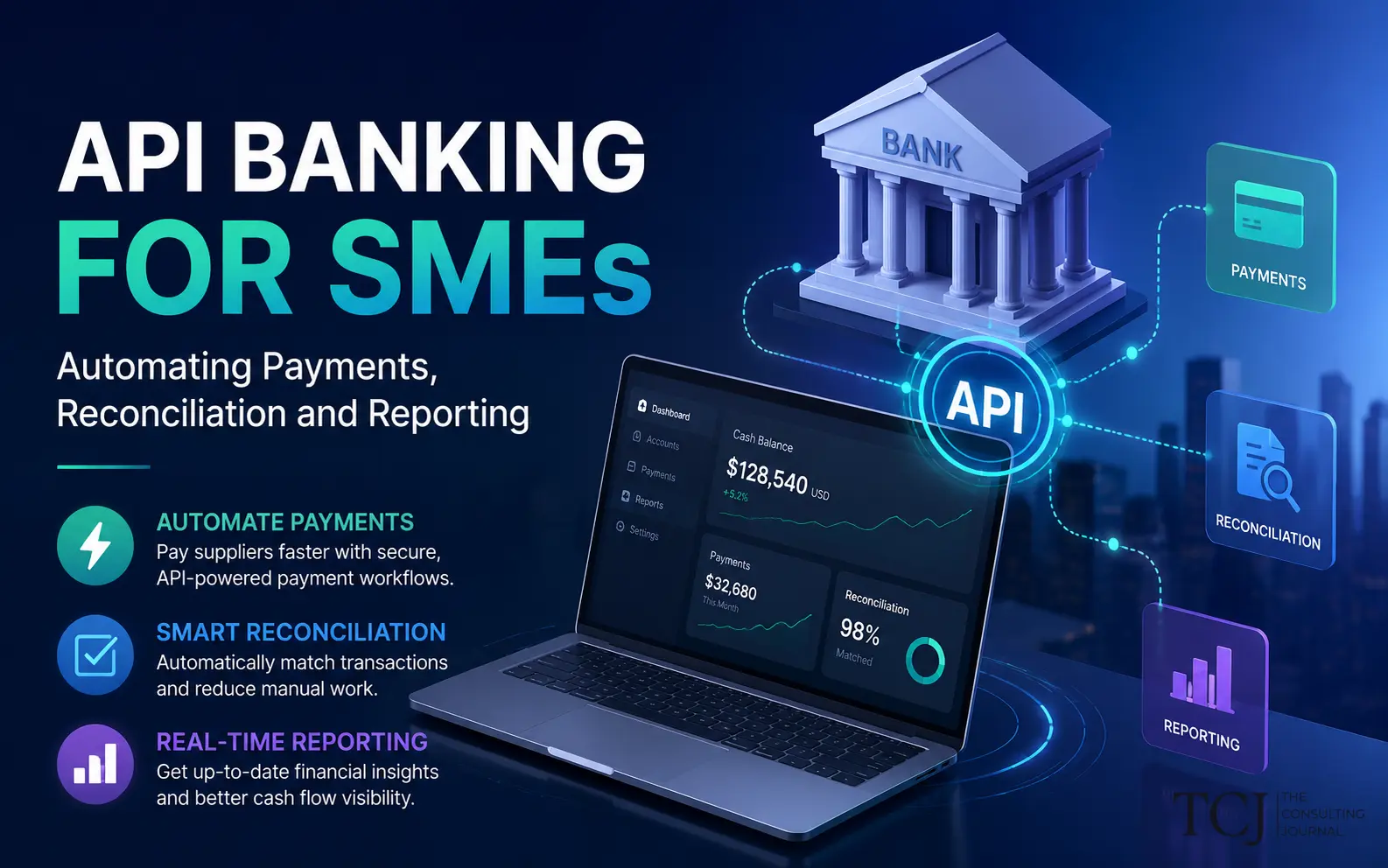
API Banking for SMEs in UAE: Automating Payments, Reconciliation and Reporting
API banking can help UAE SMEs connect banking with Accounting and Financial systems, reducing manual payment work, improving reconciliation and providing more timely cash visibility.

Instant Payments for UAE Businesses: How Real-Time Settlement Changes Cash Management
Instant payments can shorten settlement cycles, improve cash visibility and support faster reconciliation. Here is what UAE business owners and finance teams should consider before adapting treasury and accounting processes.
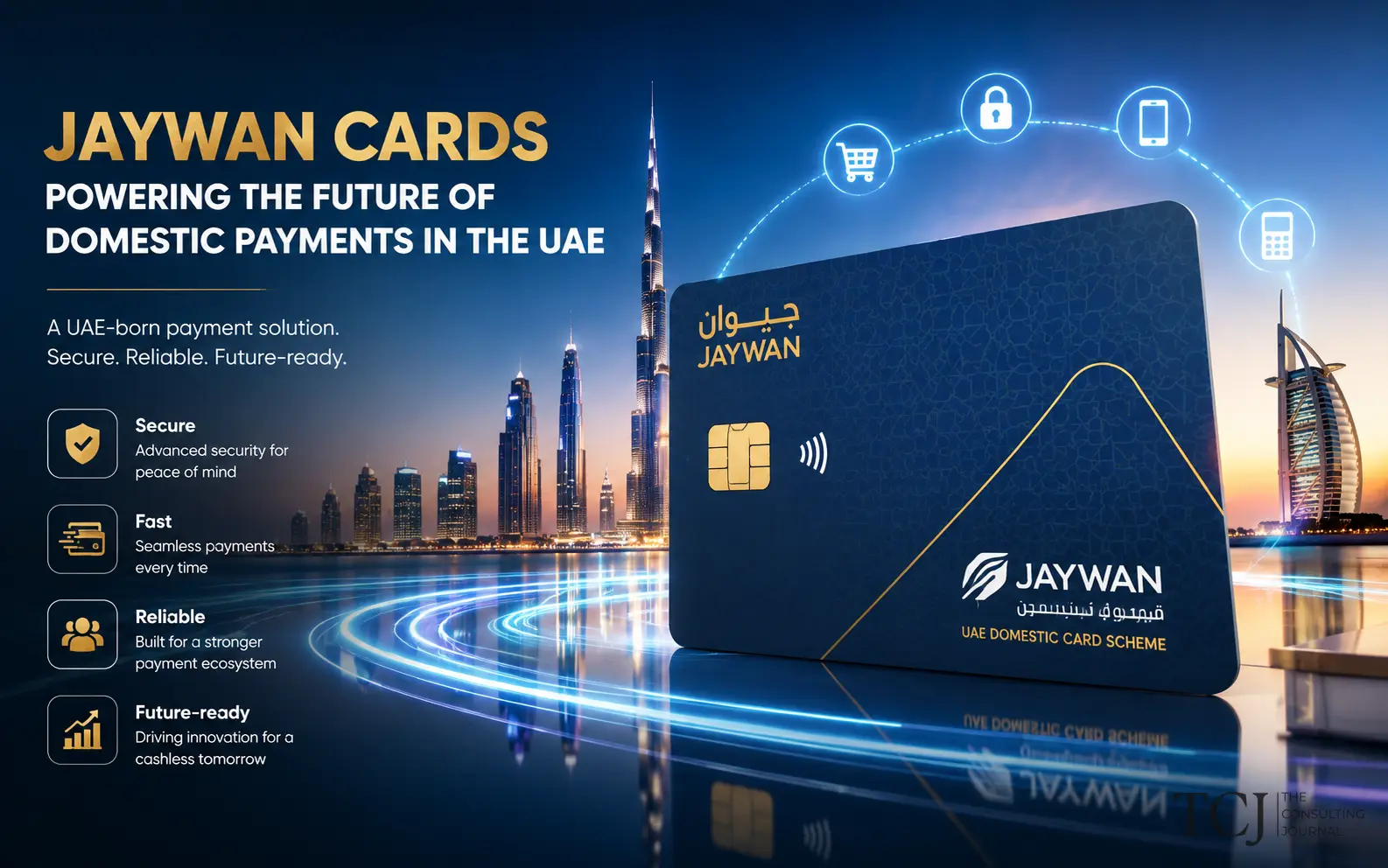
Jaywan Cards and the Future of Domestic Payments in the UAE
Jaywan is moving from policy concept to practical payment infrastructure. This guide explains what the UAE rollout means for cardholders, merchants, banks, and finance teams.