
Why Sales Do Not Always Mean Profit
Strong sales can hide weak margins, poor cash flow, high costs, and pricing mistakes. This article explains how business owners can read the numbers properly.
Jul 24, 2026·Mandeep Masoun·8 min read
Desk
Corporate finance, treasury, banking relationships, and the decisions that shape balance-sheet resilience.
Strong sales can hide weak margins, poor cash flow, high costs, and pricing mistakes. This article explains how business owners can read the numbers properly.

Many UAE businesses look profitable on paper but still struggle to pay suppliers, salaries, rent, and tax obligations. This article explains seven cash flow mistakes that quietly weaken otherwise successful companies.

UAE businesses can use freelance accountants for many bookkeeping and financial tasks, but tax complexity, audit requirements, continuity, controls, and growth may make an accounting firm the safer choice.

Internal financial controls help businesses protect cash, reduce fraud risk, improve reporting accuracy, and prepare for tax, audit, banking, and growth decisions.
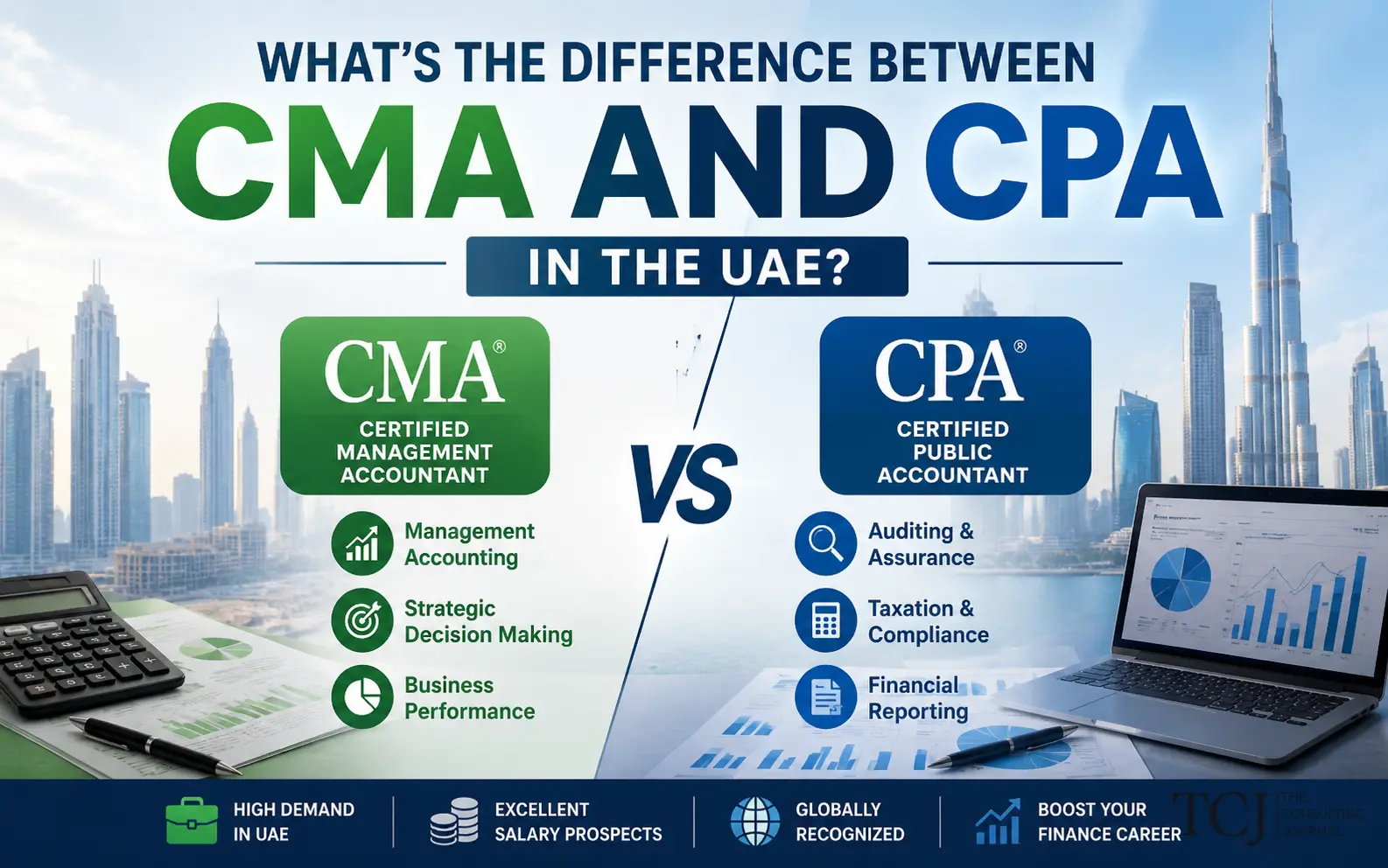
A practical UAE guide comparing CMA and CPA for finance professionals, accountants, CFO-track candidates, and business owners hiring accounting talent in Dubai and across the UAE.

Practical guidance for UAE businesses on improving receivables, reducing late payments, and protecting cash flow with better invoicing, follow-ups, and credit control.

A practical Dubai salary guide comparing housing, transport, family costs, leisure and savings across monthly income ranges from below AED 5,000 to above AED 40,000.

A practical UAE-focused guide for SME owners on improving profit margins through pricing, cost control, operational discipline, cash flow visibility, and better decision-making.
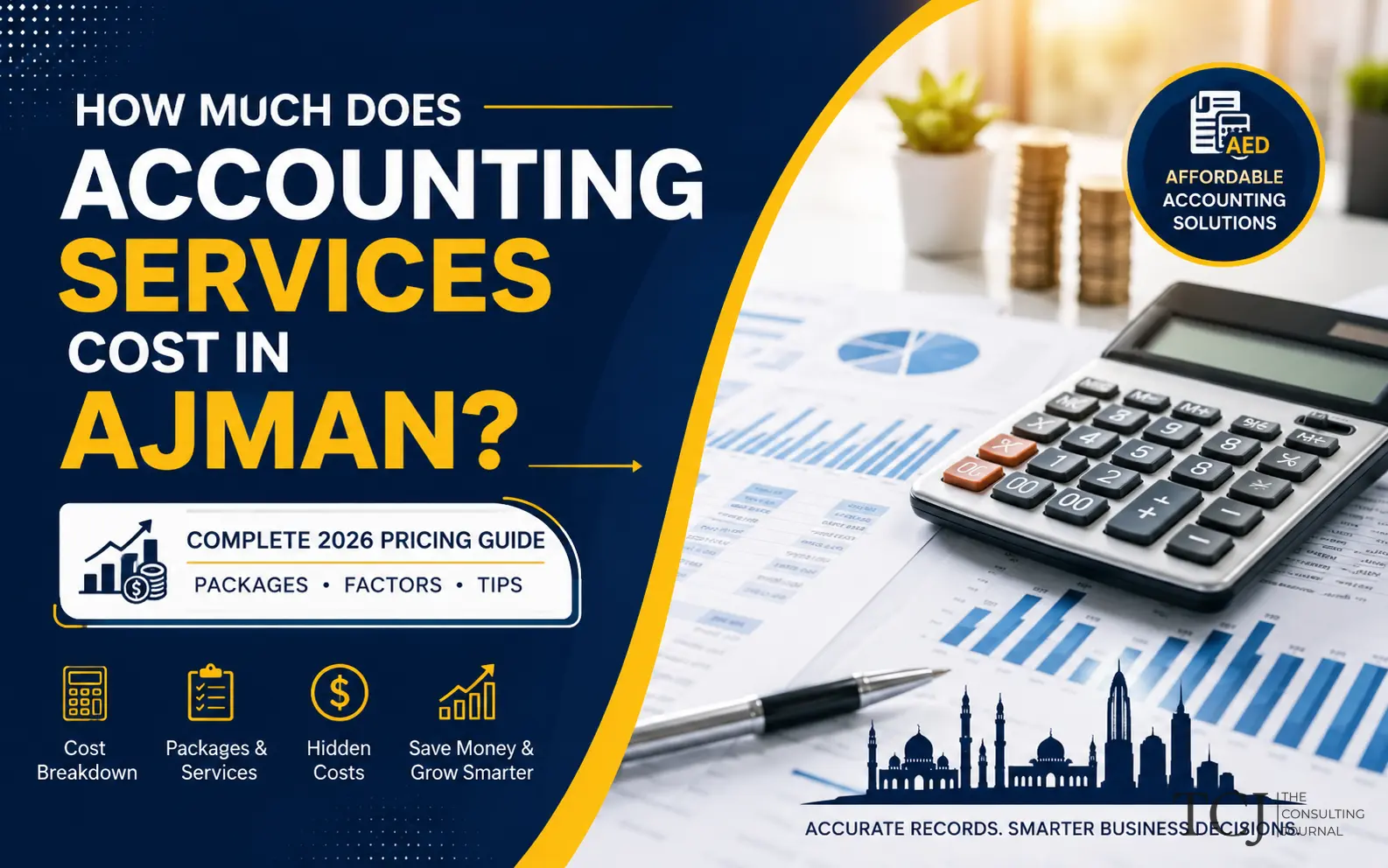
A practical UAE guide to accounting service costs in Ajman, including bookkeeping, VAT, payroll, audit support, pricing factors, hidden fees and preparation tips.
Our services
The Consulting Journal publishes analysis—and we also deliver commercial work: publishing, brand expansion, promotion, SEO, influencers, UAE setup, VAT, accounting, and consultations. Open a service to enquire.